Elyros, Archaeological site in Kantanos-Selino Municipality, Greece
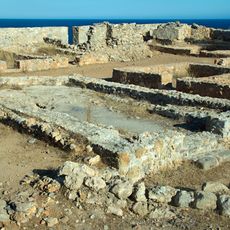
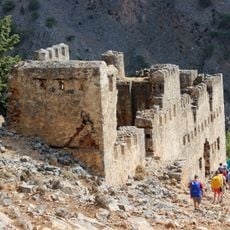
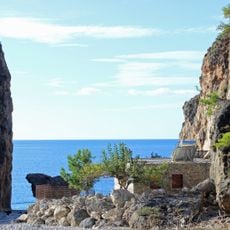
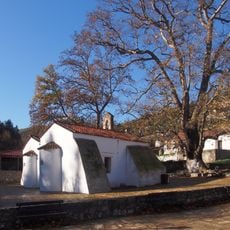
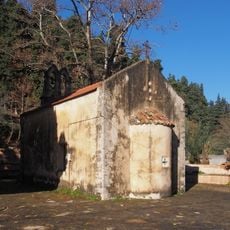
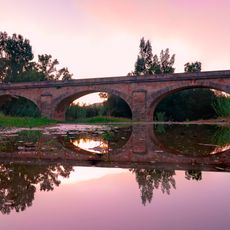
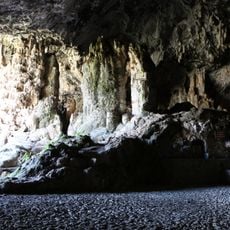
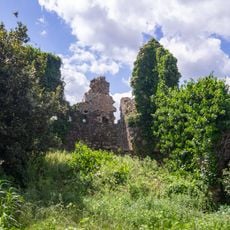
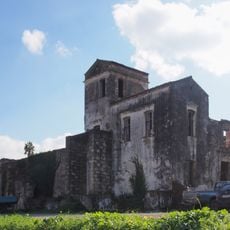
Elyros is an ancient Greek city whose ruins are scattered across the Kefala hill, about 500 meters above the present village of Rodovani. The remains span from the Hellenistic to the Late Antique period and include a theater, Roman aqueducts, cisterns, building remnants, and sections of fortification walls.
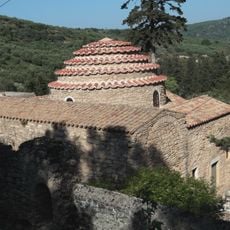
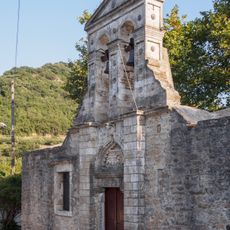
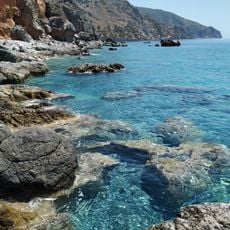
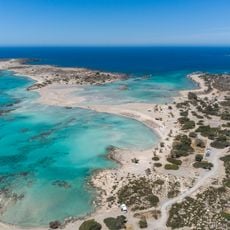
Elyros flourished from roughly 500 to 350 BCE, when it was the leading city of southwestern Crete with about 16,000 inhabitants and a weapons industry; Syia and Lissus were its harbours. In the 3rd century BCE it fought Kydonia and sent a bronze goat group to Delphi. It signed the decree with Eumenes II in 183 BCE, stayed important under Rome, and in Byzantine times was an archbishop's seat with a 6th-century basilica.
Elyros took its name from a nymph, and its people worshipped Apollo together with his sons Phylakides and Philandros and the nymph Akakallida. In the 3rd century BCE, at war with Kydonia, they sent a bronze group to Delphi showing a goat suckling the infant sons of Apollo. Pausanias saw it there.
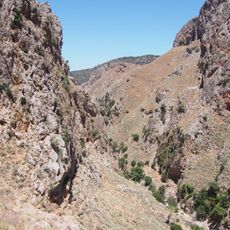
The ruins lie on Kefala Hill near Rodovani, reached on foot; the site has not been excavated, so paths are rough and the walls, arches and column fragments are scattered. Bring sturdy shoes, water and sun protection, as there is little shade. The north and northeast stretches of the ancient circuit, once about two miles long, are the clearest to follow.
Elyrus struck coins bearing the image of a bee, a type noted for this city. It was also known for large-scale weapons production, and its harbour Syia lay on the south coast, 60 stadia west of Poecilassus. The site on Kefala Hill has never been excavated.
The community of curious travelers
AroundUs brings together thousands of curated places, local tips, and hidden gems, enriched daily by 94,589 contributors worldwide.