Phigalia, Archaeological site in Arcadia, Greece
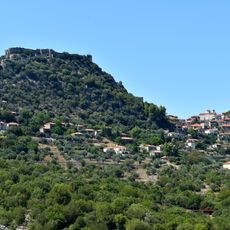
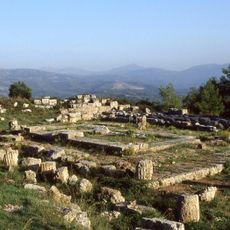
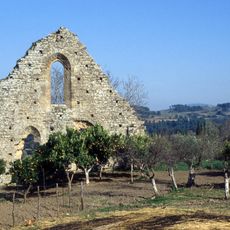
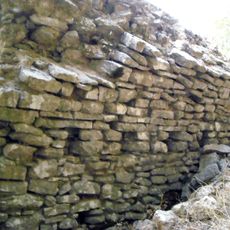
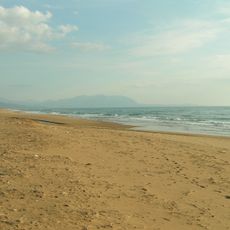
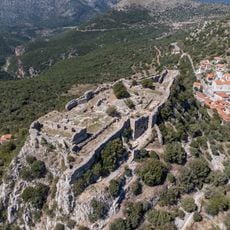
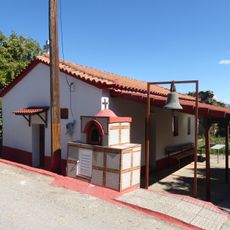
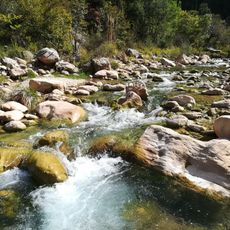
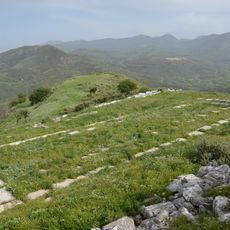
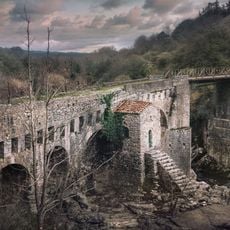
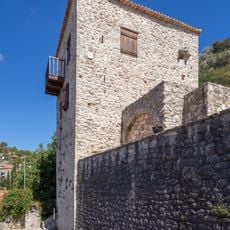
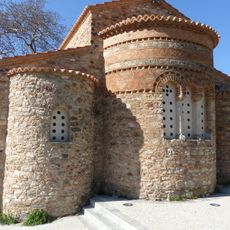
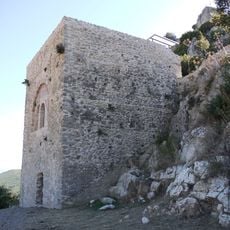
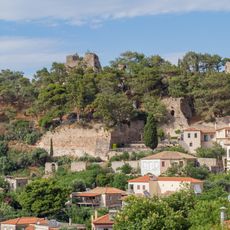
Phigalia is an ancient city in Arcadia, Greece, set on a plateau high above the Neda River gorge and surrounded by mountains. The surviving remains include long fortification walls built in polygonal masonry, a central fortress, and other structures spread across the site.
The city came under Spartan control in 659 BC, but was later freed after allied forces sacrificed themselves fighting for its independence. In the classical and Hellenistic periods, Phigalia developed as a city in its own right.
The settlement takes its name from Phigalos, a figure from local Greek mythology. Visitors can still make out the remains of a gymnasium and a temple, which show where public life and worship once took place.
The site sits on a high plateau with steep slopes and uneven ground, so sturdy footwear is strongly recommended. The ruins are spread out, so allow plenty of time and bring enough water for the walk.
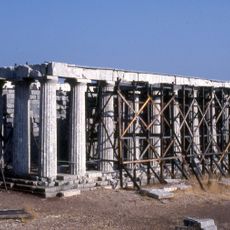
The Temple of Apollo Epicurius, just a few kilometers away, was designed by Iktinos, the same architect involved in the Parthenon in Athens. The temple's frieze sculptures were taken to London in the 19th century and are now on display at the British Museum.
The community of curious travelers
AroundUs brings together thousands of curated places, local tips, and hidden gems, enriched daily by 90,804 contributors worldwide.