Fortress St. George, Medieval fort in Kastro Kefalonia, Greece
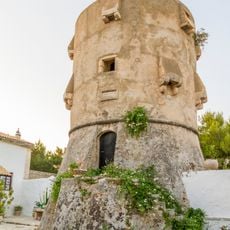
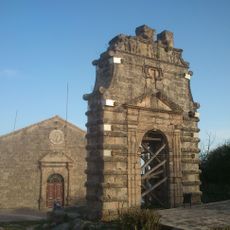
Fortress St. George sits on a hilltop and occupies a large area surrounded by stone walls. The site contains multiple structures including residential buildings, administrative spaces, and a church, all arranged within the fortified area.
The castle is first documented in 1085, when Italo-Norman forces under Roger Borsa besieged it without success. It was taken by a Venetian fleet in 1125 or 1126, and from 1504 to 1594 the Venetians rebuilt it on a larger scale with three bastions outside the 600-metre circuit. It remained the island's capital until 1757, when the authorities moved to Argostoli.
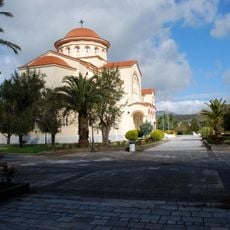
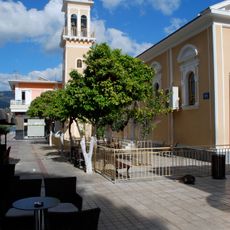
The name comes from a small church of Saint George inside the original Byzantine fort, first recorded in a document of 1264. In the borgo east of the gate stands the metropolitan church of the Evangelistria, a specimen of Heptanesian baroque, which keeps post-Byzantine icons from the ruined churches of the castle. Near a small square in the enclosure are the remains of the Catholic church of Saint Nicholas.
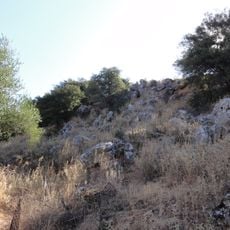
The site sits on a hilltop and requires some physical effort to explore its pathways. It is advisable to wear comfortable shoes and bring water, especially on hot days.
The castle's name comes from a small church of Saint George inside the original Byzantine fort, first recorded in a document of 1264. In 1125 or 1126 a Venetian fleet took the castle and carried off the relics of Saint Donatus of Euroea to Murano.
The community of curious travelers
AroundUs brings together thousands of curated places, local tips, and hidden gems, enriched daily by 94,562 contributors worldwide.