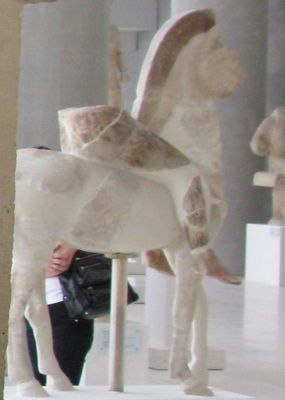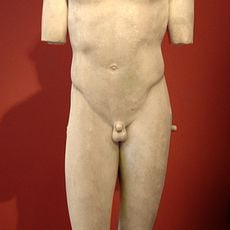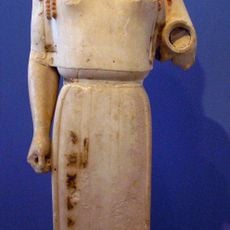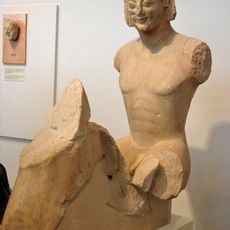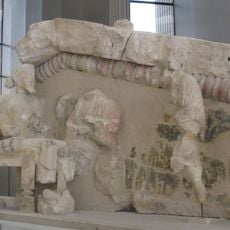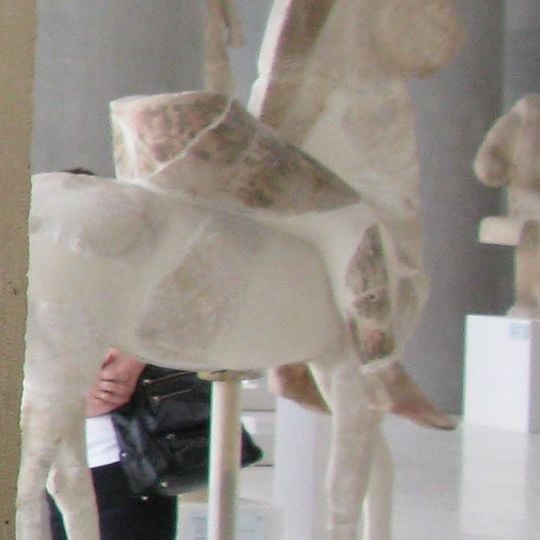
Persian horseman, Marble sculpture in Acropolis of Athens, Greece
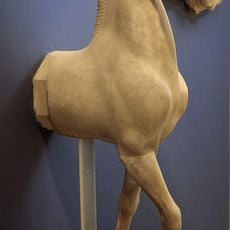
The Persian horseman is a marble sculpture that shows a mounted warrior wearing oriental clothing, with a short tunic and leg protection decorated with diamond-shaped patterns. The work displays carefully carved details in both the rider and the horse.
This marble sculpture was created between 520 and 500 BCE and discovered in 1886 near the Erechtheion building. Its origins reveal that Greek artists had contact with eastern cultures during this early period.
The way the horseman is dressed reflects how ancient Greek artists saw foreign warriors and their customs. The careful details in the clothing and horse equipment show that artists were genuinely interested in depicting distant cultures they had encountered.
The sculpture is displayed in the Acropolis Museum, which is easily reached from the nearby metro station. Visitors should allow time to view the surface details up close under good lighting conditions.
Parts of the original painted surface remain visible on the sculpture, especially the green and red colors on the rider's leg coverings. These surviving paint traces offer a rare glimpse into how colorful ancient sculptures actually were when new.
The community of curious travelers
AroundUs brings together thousands of curated places, local tips, and hidden gems, enriched daily by 91,249 contributors worldwide.