Lake Vistonida, Coastal lake in Eastern Macedonia and Thrace, Greece
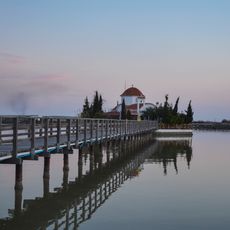
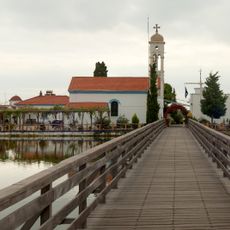
Lake Vistonida is a coastal lake in Eastern Macedonia and Thrace, characterized by distinct water zones across its expanse. The northern section contains freshwater while the southern area is saline, supporting diverse fish species and waterbird habitats throughout the year.
In antiquity the lake was called Bistonis, after the Thracian tribe of the Bistones, and its brackish water abounded in fish. In Byzantine times the emperor Arcadius is said to have granted a quarter of its produce to the Vatopedi monastery on Mount Athos. The Cossinites river emptied into the lake, which at one time overflowed and swept away several Thracian towns.
The lake's name comes from the ancient Thracian Bistones, and its older name Bourou Gkol is still used by the Muslims of Thrace. In 1930, a convention between the Greek state and Vatopedi Monastery granted the monastery the fish farming and trade in the lagoon, while residents of villages such as Selino, Lagos and Amaxades pay fees for land and water use.
The area offers good conditions for birdwatching and wildlife observation, especially along the shoreline and surrounding forests. Wear appropriate footwear and sun protection since the flat terrain provides little shade, and bring binoculars if you want to spot distant waterbirds.
The lake's name comes from Biston, the mythical founder of the Thracian city of Bistonia, whose people, the Bistones, gave the water its ancient name Bistonis. Ottoman-era documents call it Buru Göl, a name still used by the Muslims of Thrace. Twenty-three imperial chrysobulls and sigillia kept at Mount Athos record Vatopedi Monastery's rights over the lagoon.
The community of curious travelers
AroundUs brings together thousands of curated places, local tips, and hidden gems, enriched daily by 94,650 contributors worldwide.