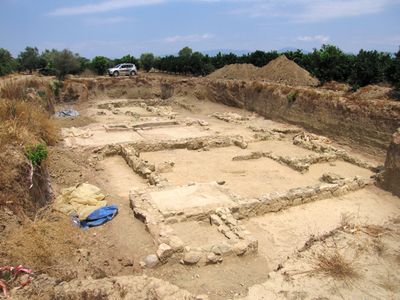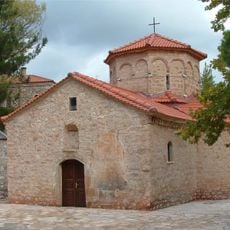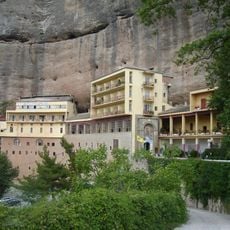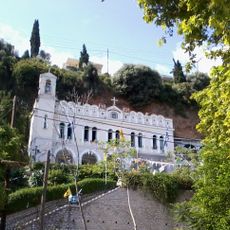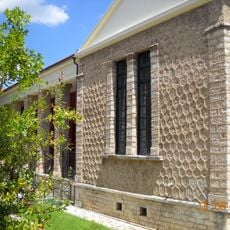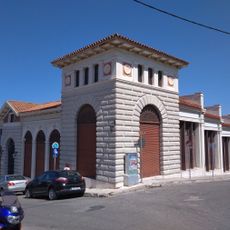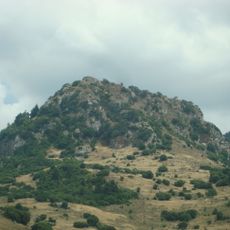
Helike, Archaeological site in Aigialeia, Greece
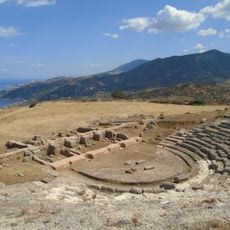
Helike was an ancient city positioned along the Gulf of Corinth's coast and served as the leading city of the Achaean confederation. The settlement contained residential areas, public buildings, and a major temple dedicated to Poseidon within its bounds.
The city was completely destroyed in 373 BC when an earthquake triggered a massive tsunami that submerged it beneath the gulf's waters. This catastrophic event became one of the ancient world's most remembered disasters and influenced how people understood natural forces.
This site served as a major religious hub where people came to honor Poseidon through ceremonies and rituals. The temple drew visitors from neighboring regions who sought the god's blessings and protection.
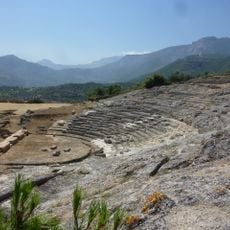
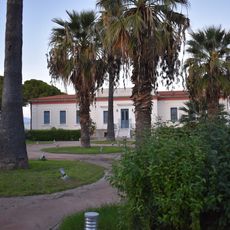
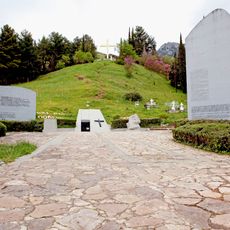
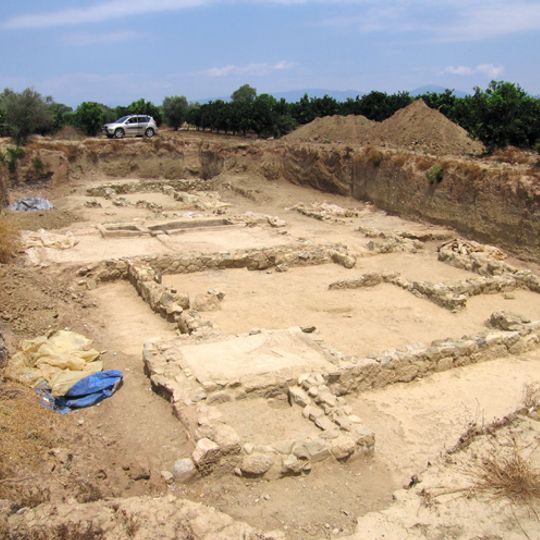
The archaeological site is located near the village of Rizomylos and sits in open terrain surrounded by farmland. Visitors should wear sturdy shoes since excavated areas are uneven and sun exposure can be intense throughout the day.
According to ancient accounts, a large bronze statue of Poseidon stood in the submerged ruins and protruded from the water's surface. Local fishermen complained that the statue caught their nets and damaged their equipment during regular fishing activities.
The community of curious travelers
AroundUs brings together thousands of curated places, local tips, and hidden gems, enriched daily by 92,398 contributors worldwide.