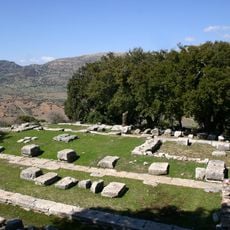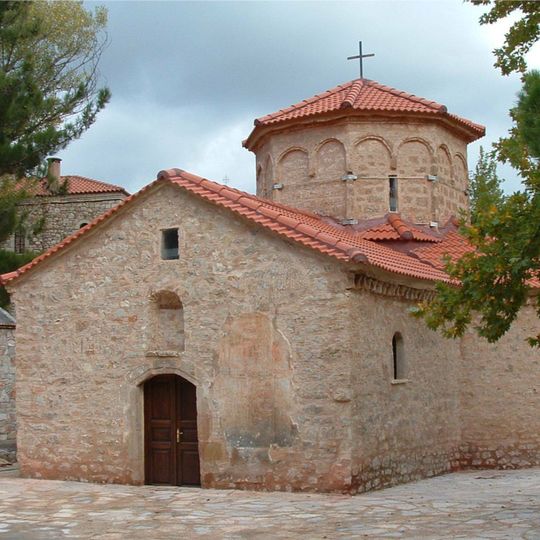
Agia Lavra, Historical monastery in Kalavryta, Greece
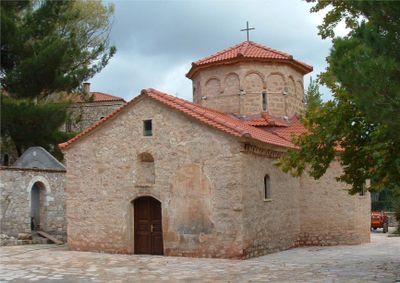
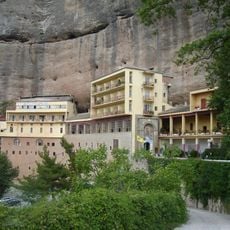
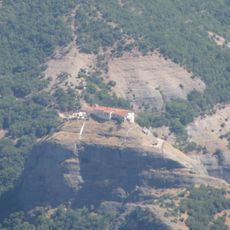
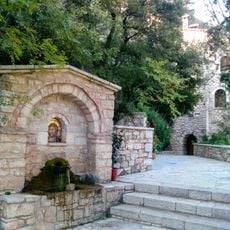
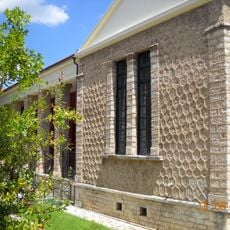
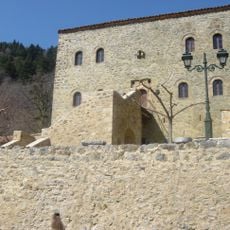
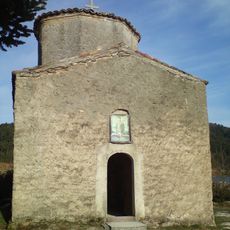
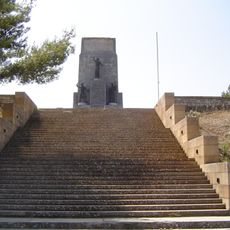
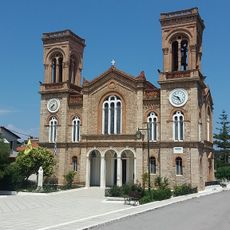
Agia Lavra is a monastery situated on a hillside near Kalavryta, built with white stone structures arranged around a central courtyard that contains a church. Several smaller buildings serve as monastic cells and allow visitors to understand how daily life unfolded within these walls.
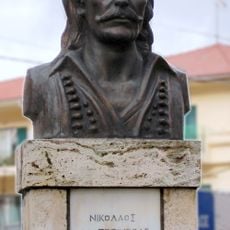
The monastery became the birthplace of Greek independence when a bishop raised the revolutionary flag there in 1821, initiating the uprising against occupation. This moment marked a turning point in the region's history and the nation's struggle for freedom.
The monastery houses religious objects including ancient manuscripts and imperial gifts that visitors can see inside the buildings. These items reflect the spiritual importance and external connections that shaped the community over centuries.
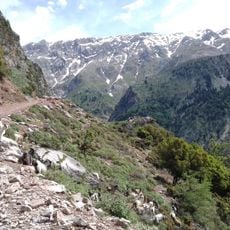
The monastery sits about five kilometers southwest of Kalavryta and is reachable by car or via the historic rack railway from Diakopto to the town. Visitors should wear sturdy shoes since the grounds include stairs and uneven terrain.
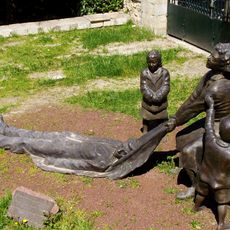
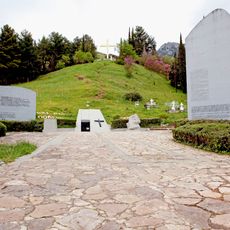
During World War II, monks remaining at the monastery were executed by German forces, and an old pine tree on the grounds marks the location of this tragic event. The tree still stands today and is often overlooked by visitors, though it connects silently to this dark chapter of local history.
The community of curious travelers
AroundUs brings together thousands of curated places, local tips, and hidden gems, enriched daily by 92,601 contributors worldwide.