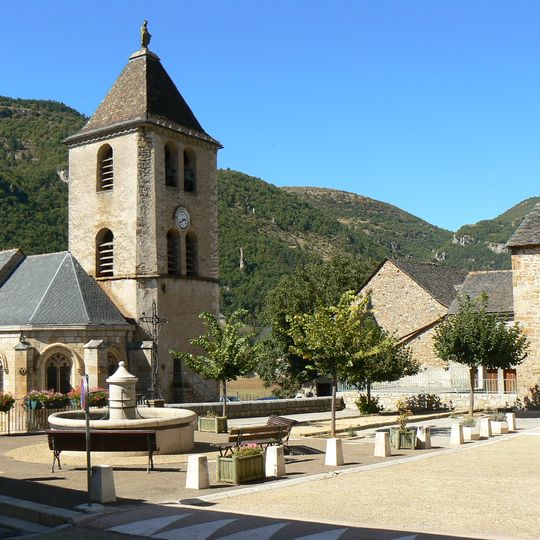
Quézac, Delegated commune in the arrondissement of Florac, Lozère, France
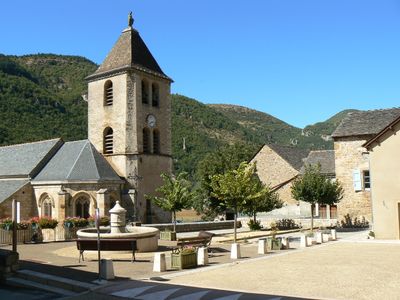
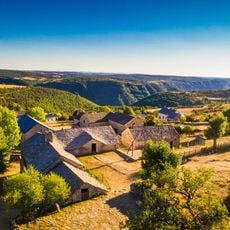
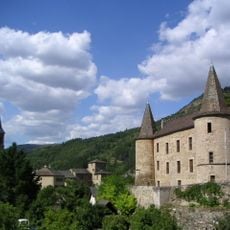
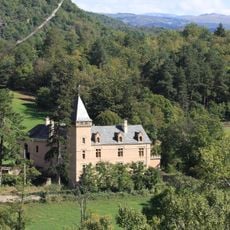
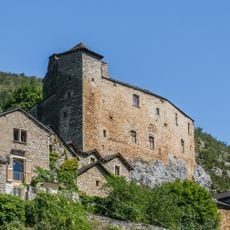
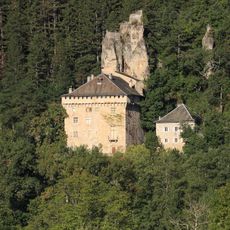
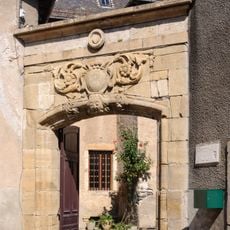
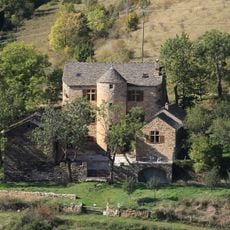
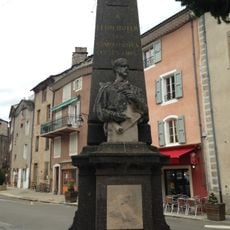
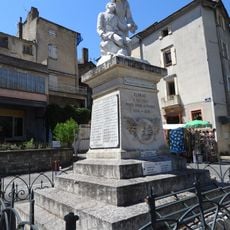
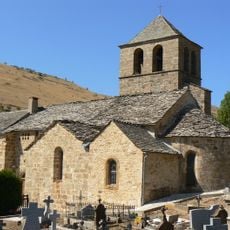
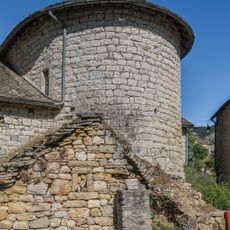
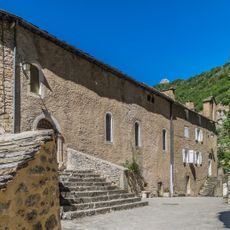
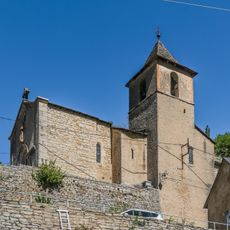
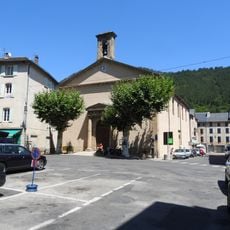
Quézac is a delegated commune in the arrondissement of Florac, in the Lozère department of southern France, sitting on the left bank of the Tarn river in the Ispagnac valley. The village is made up of old stone buildings along narrow streets, set among cliffs and wooded hillsides.
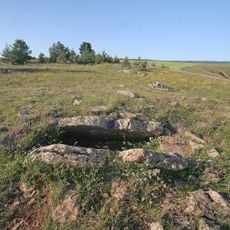
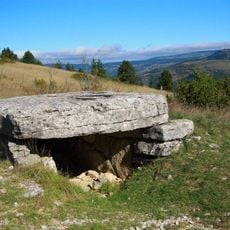
Celts and Romans used the local springs more than 2,000 years ago, and finds from that era show the area has been settled for a very long time. In the 1600s, the water's healing reputation grew, and Louis XIV later regulated how it could be used and sold.
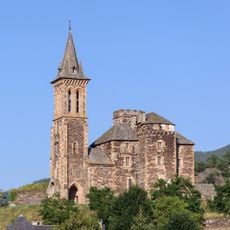
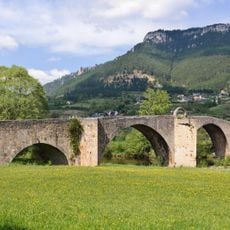
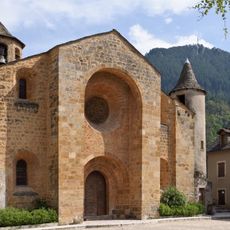
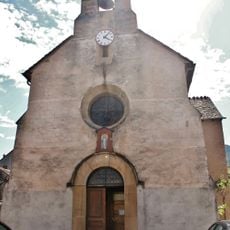
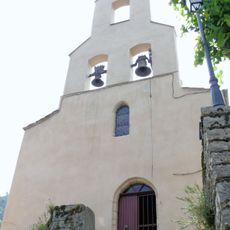
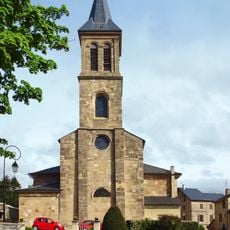
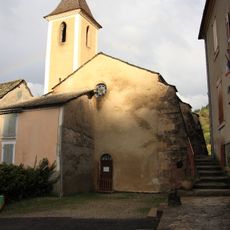
The church of Notre-Dame de Quézac holds a dark Virgin statue that has drawn pilgrims to the village for centuries. On the medieval bridge over the Tarn, locals and visitors alike pause to watch the river pass below.
A visitor center at the entrance of the village is the best starting point, as walking trails from there lead along the river and toward the spring. The medieval bridge and the church are easy to reach on foot since the village is small and straightforward to navigate.
A doctor named Commandré discovered in the 1800s that the local water helped his own health, then bought a license to extract it, which led to the first commercial bottling. Production stopped for decades in the 20th century and was only restarted in the late 1980s when a large company took over.
The community of curious travelers
AroundUs brings together thousands of curated places, local tips, and hidden gems, enriched daily by 92,634 contributors worldwide.