Forest of Fontainebleau, Protected national forest in Seine-et-Marne, France
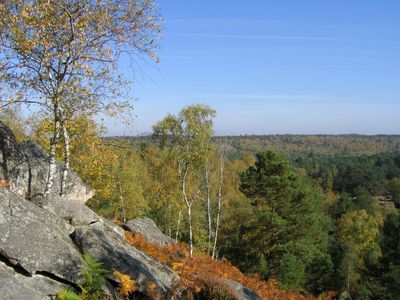
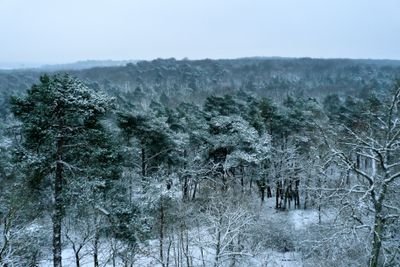
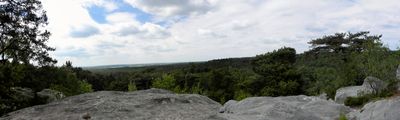
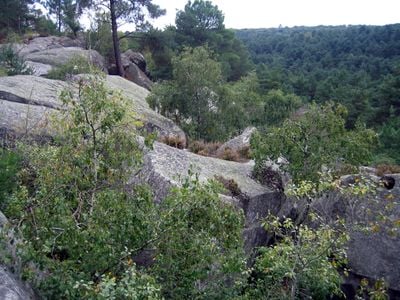
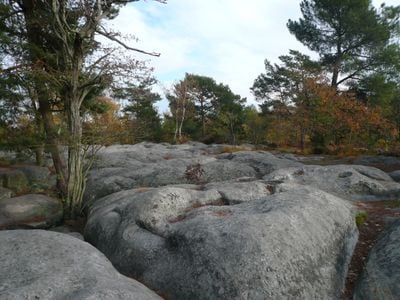
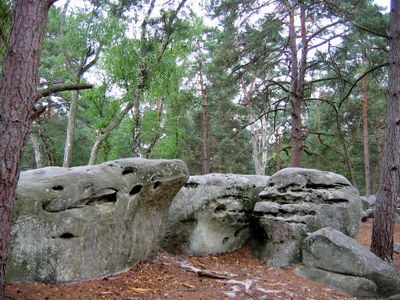
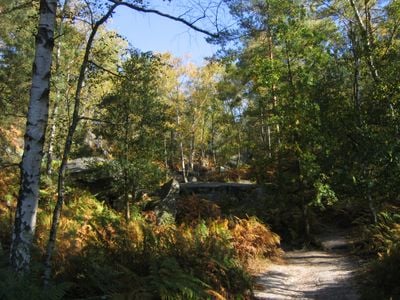
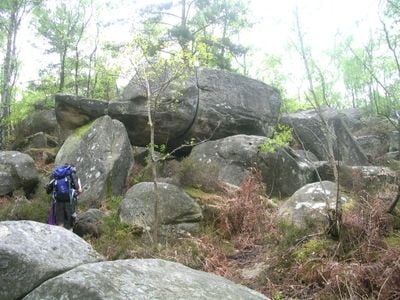
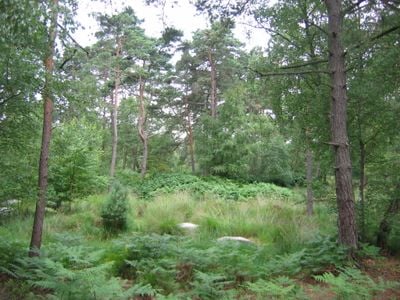
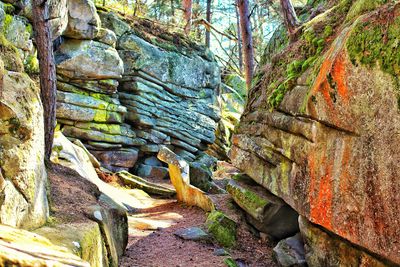
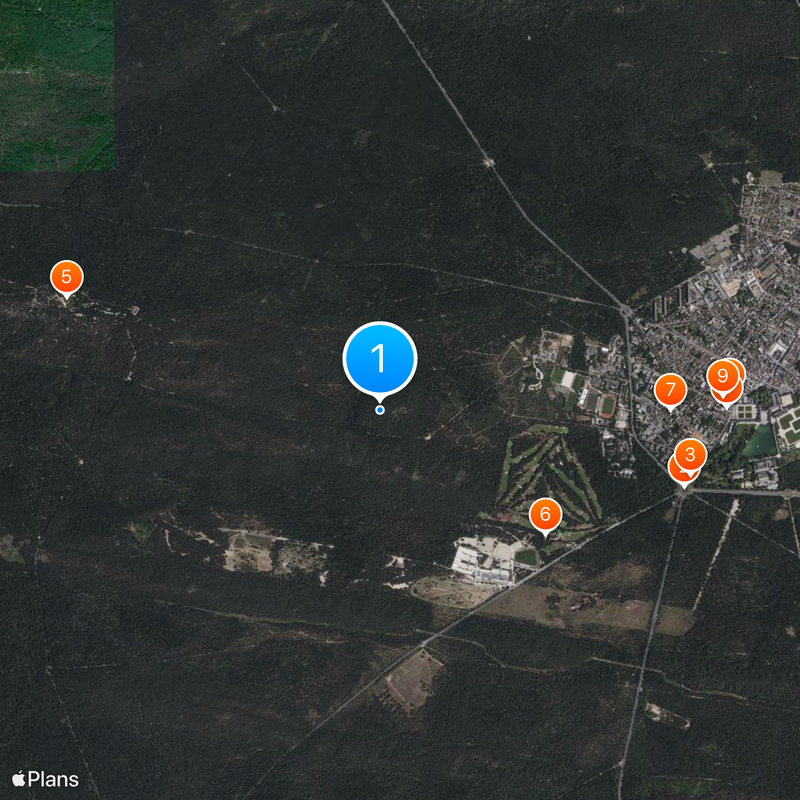
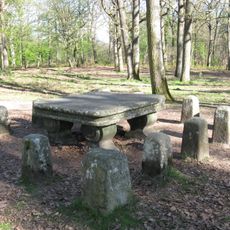
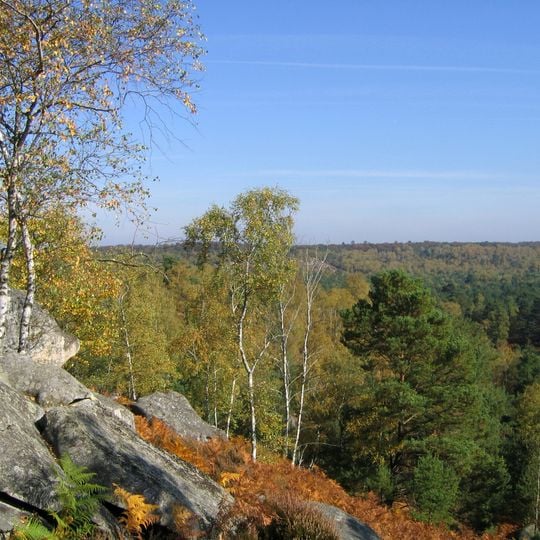
The forest of Fontainebleau is a national woodland in Seine-et-Marne, France, stretching across roughly 10,000 hectares with oaks, beeches, pine groves, and open clearings punctuated by sandstone rock formations. Paths wind through several zones with distinct vegetation, ranging from dense undergrowth to lighter areas with exposed boulder fields.
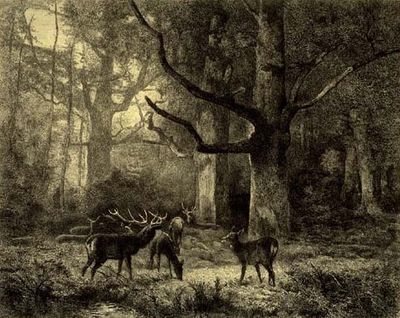
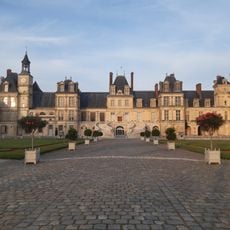
French kings hunted here from the 12th century onwards and built lodges within the woodland, with François I establishing a formal system for managing the trees and pathways in the 16th century. The area became the first designated nature reserve in the world in 1861, after artists and walkers campaigned to preserve the landscape.
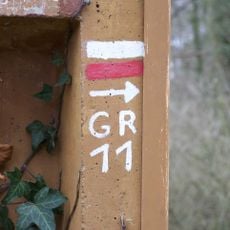
Claude-François Denecourt earned the nickname Sylvain while working in these woods, and his system of colour-coded trail markers still guides walkers today. French climbers have used the sandstone boulders scattered among the trees for generations to train before heading to the Alps, naming hundreds of individual rocks over the years.
The woodland sits roughly 60 km (37 miles) southeast of Paris and can be reached through multiple entry points, each leading to different sections and terrain types. Main routes remain passable year-round, though some paths through rocks and undergrowth can become slippery during wet conditions.
The Denecourt plaques from the 19th century still stand at different points through the woodland, bearing poems and texts meant to help walkers navigate and contemplate nature. Many boulders carry engraved names or symbols placed by climbers over decades to mark their preferred routes.
The community of curious travelers
AroundUs brings together thousands of curated places, local tips, and hidden gems, enriched daily by 91,676 contributors worldwide.