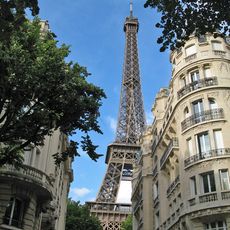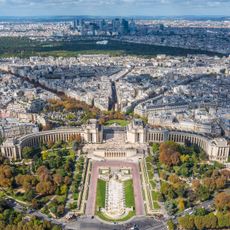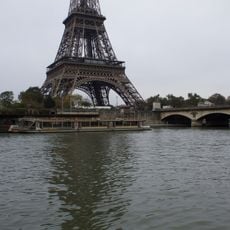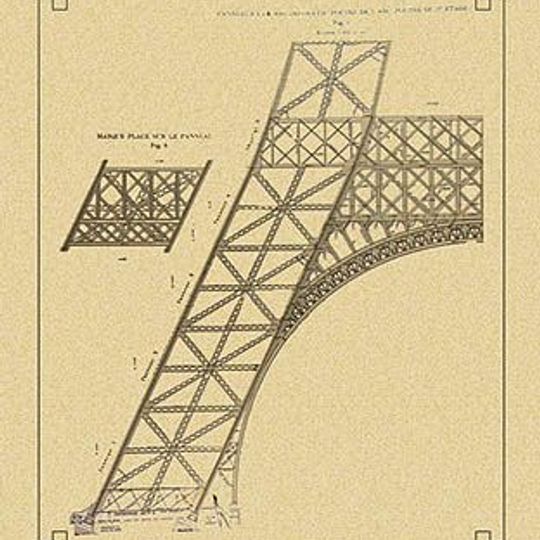
Données techniques de la tour Eiffel, Iron tower specifications in Paris, France.
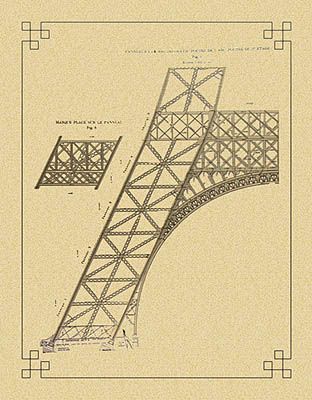
Données techniques de la tour Eiffel documents the construction features of the famous iron tower in Paris, which comprises over eighteen thousand individual components joined by millions of rivets. The specifications include precise information about dimensions, weight, and structural elements that help explain the engineering achievement.
Construction began in January 1887 and was completed in March 1889, in time for the World's Fair that Paris hosted. More than three hundred workers labored daily on the site, assembling the prefabricated metal components with exceptional precision.
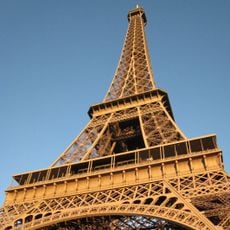
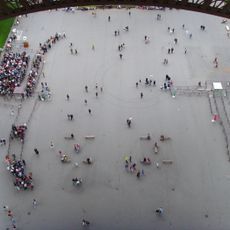
The technical specifications detail three observation levels, with the first floor at 57.63 meters, second at 115.73 meters, and third at 276.13 meters.
The entire metal framework is repainted every seven years to protect it from rust, using about sixty tons of paint each time. The work is done by hand and requires experienced painters working at great heights.
The foundations lie between five and fifteen meters below the surface, depending on the soil conditions beneath each of the four pillars. These varying depths compensate for the unevenness of the terrain and ensure the stability of the entire structure.
The community of curious travelers
AroundUs brings together thousands of curated places, local tips, and hidden gems, enriched daily by 90,850 contributors worldwide.