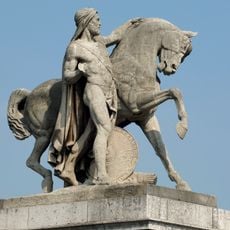
Le Cavalier grec, Limestone sculpture at Pont d'Iéna, France
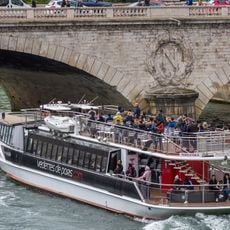
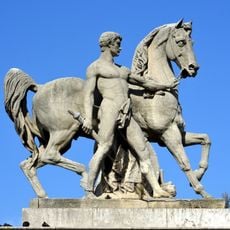
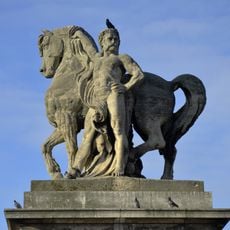
The Greek Horseman is a limestone sculpture standing on a pillar of Pont d'Iéna, depicting a warrior mounted on horseback in neoclassical style. The work displays the refined craftsmanship characteristic of 19th-century Parisian sculpture.
The Pont d'Iéna was built between 1808 and 1814 to designs by engineers Corneille Lamandé and François-Martin Lebrun, and Napoleon I ordered four equestrian statues placed at its approaches. Devaulx's horseman, carved in 1853, belongs to the sculptural campaign of that Second Empire period. The bridge was widened in 1937 for the Exposition internationale.
The sculpture is part of a series of warrior figures on the bridge depicting Roman and Gallic fighters, showing how deeply France was drawn to classical antiquity. Together they tell a story about the different peoples who shaped French history.
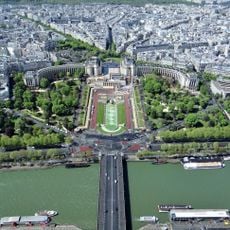
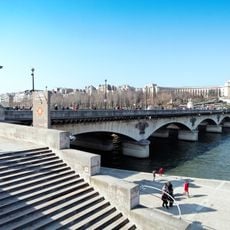
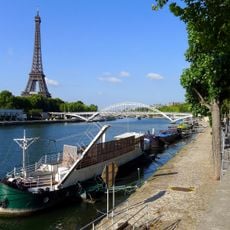
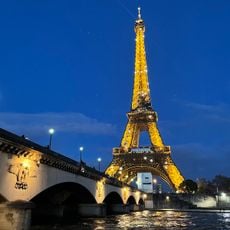
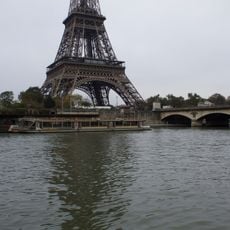
The sculpture is located in the 16th arrondissement near the Eiffel Tower and is visible while crossing the bridge between Trocadéro and Champ de Mars. The best views come from the walkways and stairs along the bridge structure where details of the work are clearly visible.
The horseman is one of four equestrian statues on the Pont d'Iéna, each named for a different warrior; this one shares the bridge with a Roman, a Gaul and an Arab. Devaulx's figure was carved for the 1853 programme and still crowns its pier above the Seine.
The community of curious travelers
AroundUs brings together thousands of curated places, local tips, and hidden gems, enriched daily by 93,173 contributors worldwide.