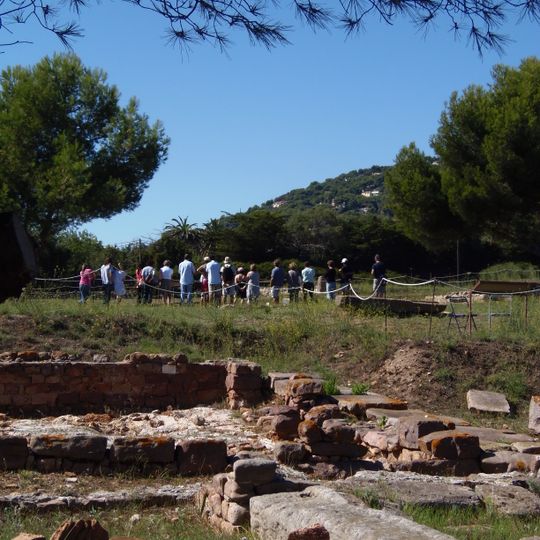
Olbia de Provence, Greek archaeological site in Hyères, France
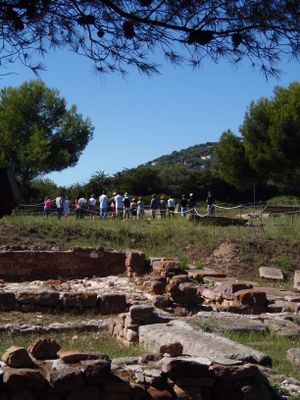
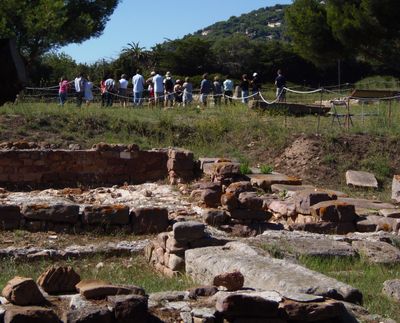
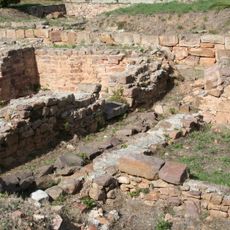
Olbia de Provence is an ancient Greek city on the Mediterranean coast with well-preserved remains of fortification walls, houses, and public buildings. The archaeological excavations reveal the typical layout of an ancient colony with paved streets, shops, and private homes built closely together.
The city was founded around 325 BC by Greek settlers from Marseille to control trade routes along the Mediterranean coast. It grew into an important port and trading center, remaining a hub of cultural and economic activity in the region for several centuries.
The name Olbia comes from the Greek for "the fortunate" or "the prosperous". A sculpted phallus, found reused in later masonry, probably adorned the city gate as a protective symbol. Stone inscriptions record an anonymous "Hero" and "Mother Goddesses" linked to fertility, alongside the main cults of Artemis and Aphrodite.
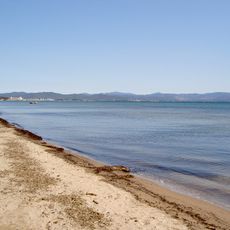
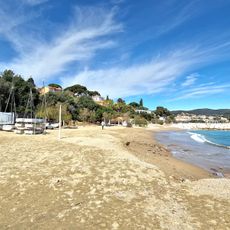
The ruins lie at l'Almanarre in Hyères, split by the D559 road: the Greek city sits north of it, while the Roman baths of the 1st century AD stand between the road and the beach. The ground is bare earth and low masonry with little shade, so wear sturdy shoes and bring water.
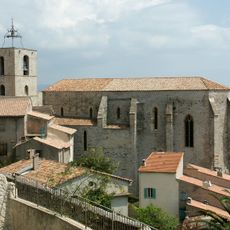
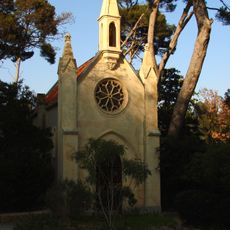
The abbey of Saint-Pierre de l'Almanarre was built in 1221 on the ruins of the abandoned ancient city and was occupied until the end of the 14th century. Only the church, the cemetery and the cloister wall remain; the church has two naves of different size and workmanship, the result of an enlargement of the older structure.
The community of curious travelers
AroundUs brings together thousands of curated places, local tips, and hidden gems, enriched daily by 94,666 contributors worldwide.