Parc de Passy, Urban park in 16th arrondissement, France
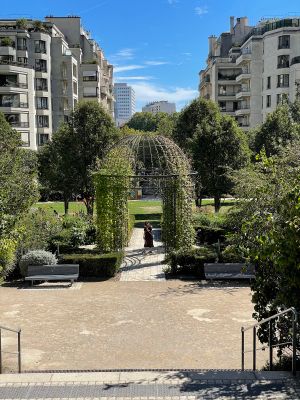
Parc de Passy is an urban park in the 16th arrondissement situated on the slope of Passy hill with varied terrain and plantings. The space includes a central lawn area, flowering archways, and multiple pathways that wind through the grounds.
The site has a long history beginning with thermal springs discovered in the 17th century that attracted the aristocracy. In the early 19th century Benjamin Delessert purchased the property and converted it for sugar refining operations, reshaping the landscape.
The name Passy comes from the village whose thermal springs once drew Parisian aristocrats here; Jean-Jacques Rousseau wrote Le Devin du village during his stay at the Eaux de Passy. Today the lawn and the flowered arch walkway serve as the neighbourhood's meeting point, and the garden is certified for its ecological management.
The park has four separate entrances from different streets offering flexible entry options depending on your approach. Passy metro station is located nearby making access by public transportation straightforward.
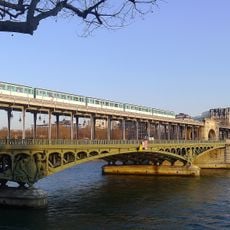
The park opened in 2004 on the site of former ministry offices; before demolition was complete, Bertrand Tavernier filmed scenes of L.627 (1992) there, using Algeco units as the police headquarters set. On 2 December 2023 the perpetrator of the Bir-Hakeim bridge attack was arrested at the park's south entrance, three minutes after police spotted him at the east entrance.
The community of curious travelers
AroundUs brings together thousands of curated places, local tips, and hidden gems, enriched daily by 93,768 contributors worldwide.