Île de la Pierre Percée, island in France
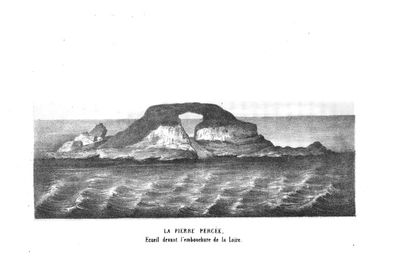
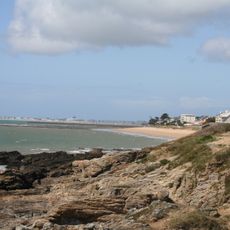
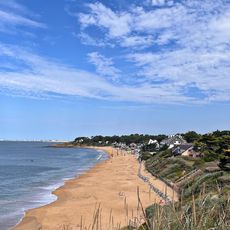
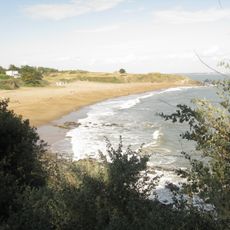
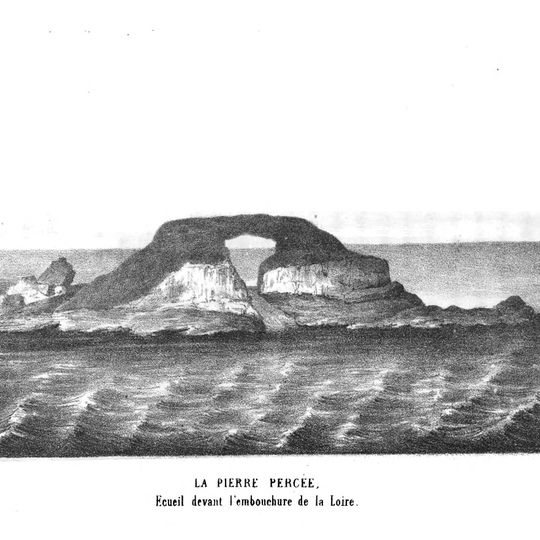
Île de la Pierre Percée is a small rocky outcrop in the Bay of La Baule featuring a distinctive natural opening through its center. The rock extends roughly 1 kilometer (0.6 miles) in length and has a rugged surface shaped by centuries of wind and wave action.
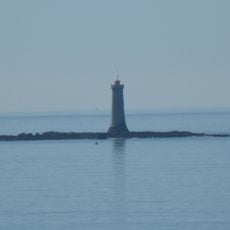
The rock outcrop inspired writer Jules Sandeau, who published 'The Rock of the Seagulls' in 1871. It has long served as a navigation landmark for fishermen and sailors in the region.
The island takes its name from the distinctive hole piercing through its rock formation from side to side. This opening has become the defining feature that captures the imagination of visitors and locals who recognize it as a natural symbol of the landscape.
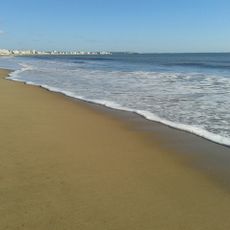
The island is best viewed from the water, with boat trips available from nearby coastal areas. At high tide the rock is fully surrounded by water, while at low tide parts of the formation may be visible from the shore.
Local legend tells of a pirate named Gilles Daviot who was abandoned on this island in the 18th century and allegedly carved the hole through the rock to see the horizon. This tale weaves together history, myth, and nature in an intriguing way.
The community of curious travelers
AroundUs brings together thousands of curated places, local tips, and hidden gems, enriched daily by 91,403 contributors worldwide.