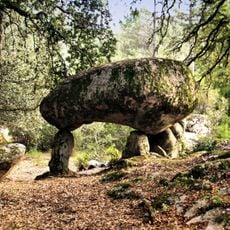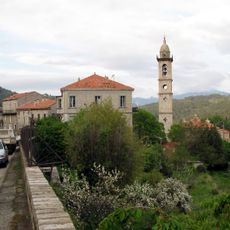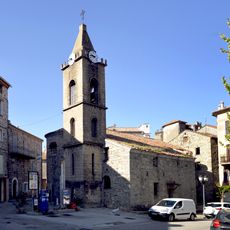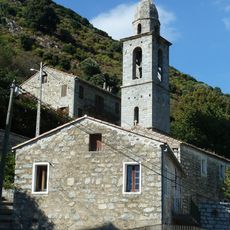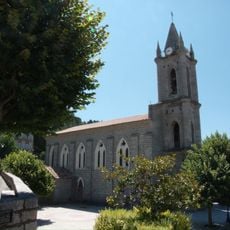
Capula, Archaeological site and megalith in Levie, France
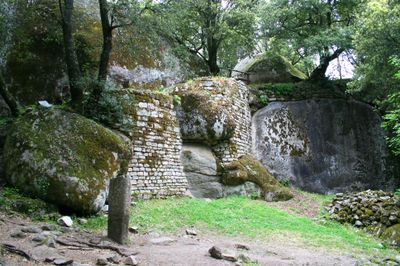
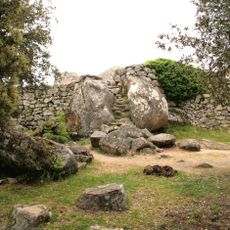
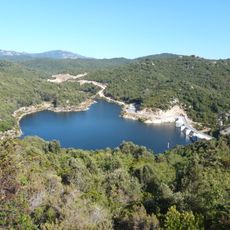
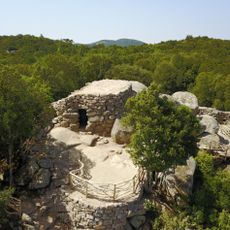
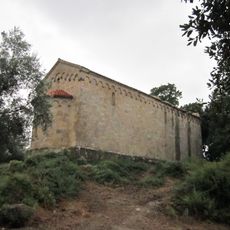
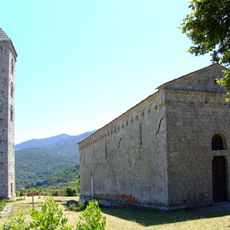
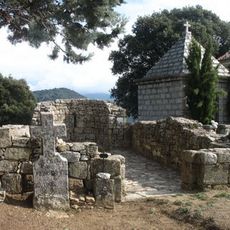
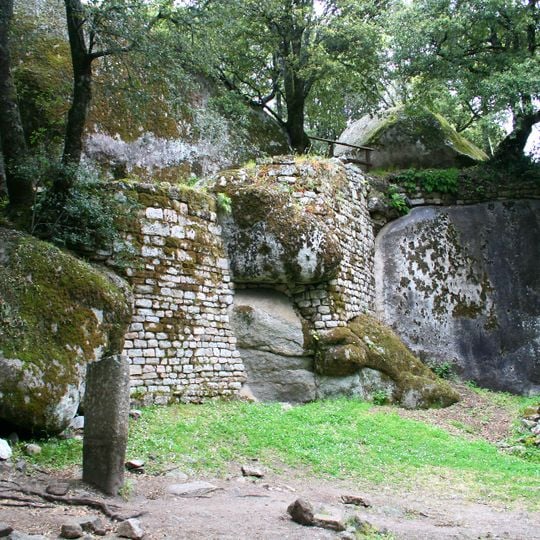
Capula is an archaeological site where prehistoric stone structures meet natural granite rock formations. The location contains ruins of fortified buildings and walls scattered across the terrain.
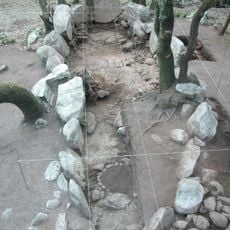
This site was settled during the Bronze Age and shows traces of structures used until the third century BC. Later, a medieval fortress was built on the same ground, connecting different time periods.
The name Capula comes from local tradition and refers to the stone structures that stand out across the land. Today, visitors can see how these ancient buildings were arranged, revealing how early communities organized their living spaces.
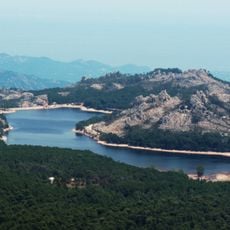
The site sits on hilly ground and is accessible by foot, though the paths can be uneven. It is wise to wear sturdy shoes and plan visits during warmer months, as the location offers little shade.
A tall stone statue stands on this land, dating back thousands of years and dominating the area. The exact meaning of this statue for ancient people remains a mystery, making it a puzzling relic.
The community of curious travelers
AroundUs brings together thousands of curated places, local tips, and hidden gems, enriched daily by 91,379 contributors worldwide.