Achilleion, Neolithic archaeological site in Thessaly, Greece.
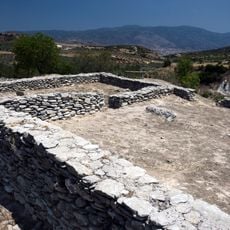
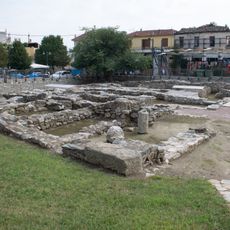
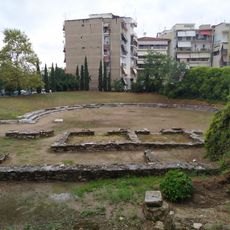
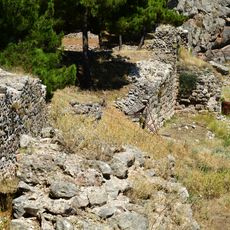
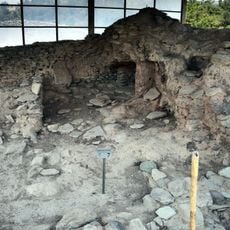
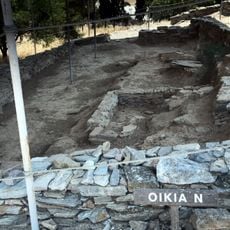
Achilleion is a Neolithic archaeological site in Thessaly, Greece, where excavations exposed four squares measuring 5 by 5 meters (16 by 16 feet), penetrating up to 5 meters (16 feet) deep into the mound. The work focused on multiple test pits at the summit to reveal the layered evidence of ancient habitation.
The site was excavated in 1973 and 1974 by archaeologist Marija Gimbutas, who uncovered structures and artifacts dating to 6400 to 5600 BCE. This established it as an early Neolithic settlement with important evidence about life during that period.
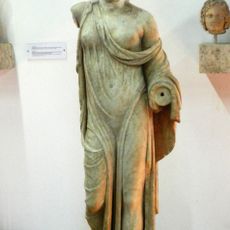
The settlement served as a center for craft and artistic expression, as shown by numerous clay figurines and pottery with evolving decorative styles. The residents also produced tools and practiced weaving, indicating a community engaged in various skilled activities.
The site is best visited in clear weather when surface features are visible and the excavation pits can be explored. The location sits on a mound, so comfortable footwear is necessary, and shade is limited across the grounds.
The inhabitants cultivated emmer wheat and barley and raised sheep, goats, and cattle, showing they had already adopted farming and animal husbandry. This combination of practices meant people were not just foraging but had created a stable food supply for their settlement.
The community of curious travelers
AroundUs brings together thousands of curated places, local tips, and hidden gems, enriched daily by 91,314 contributors worldwide.