Šibenik, Coastal administrative center in Šibenik-Knin County, Croatia.
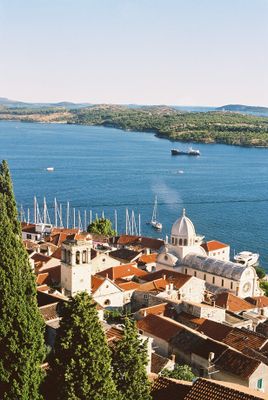
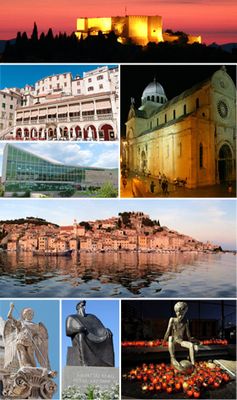
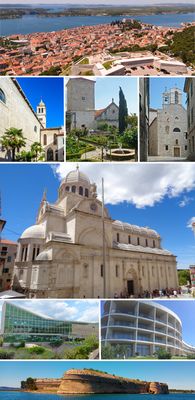
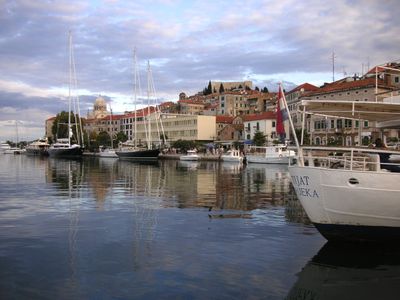
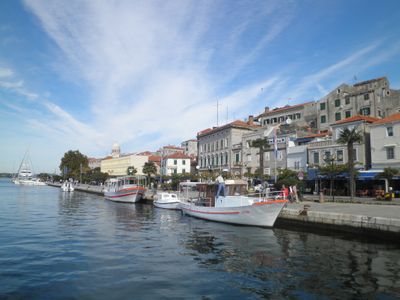
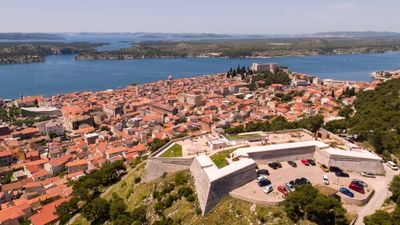
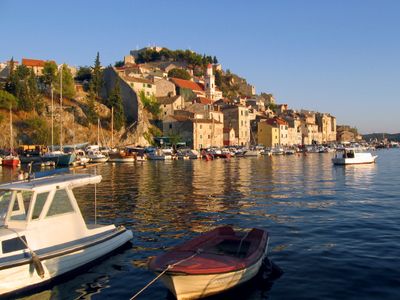
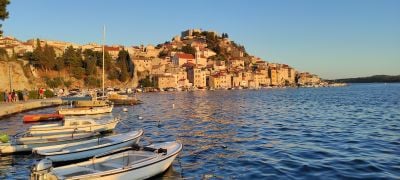
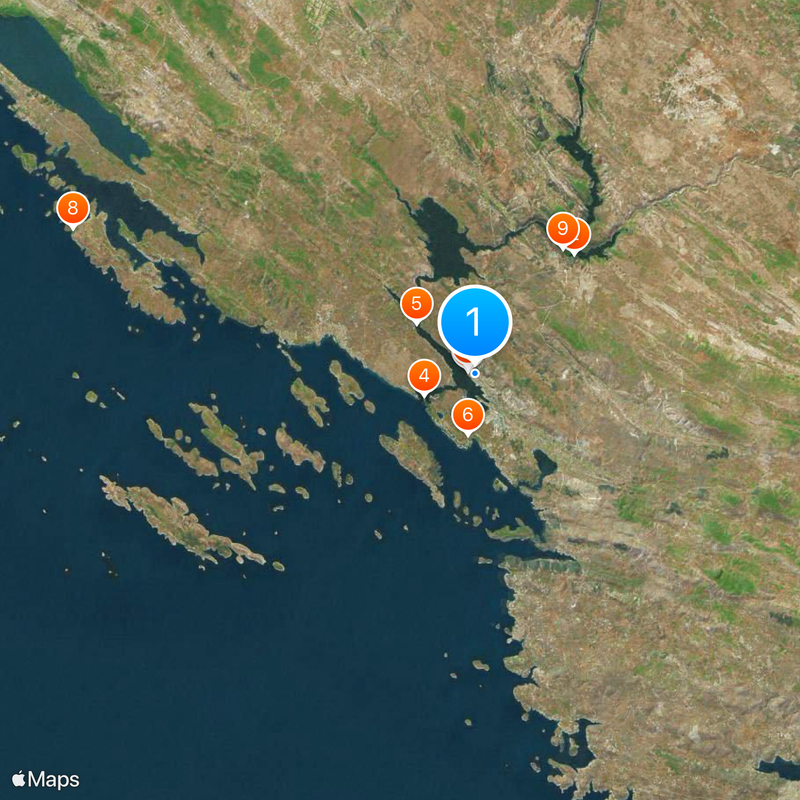
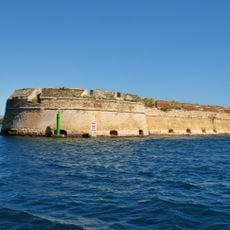
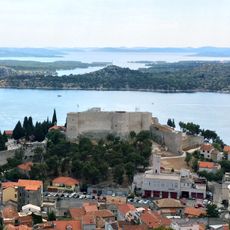
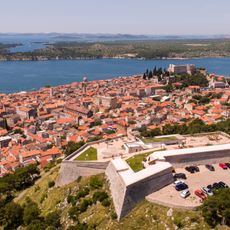
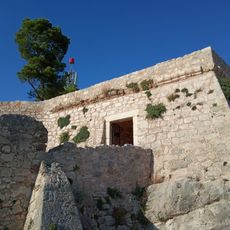
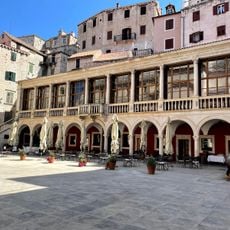
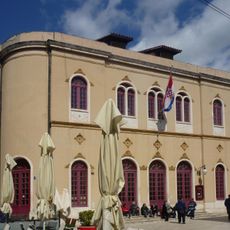
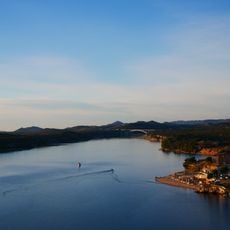
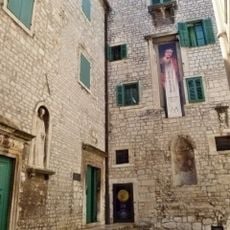
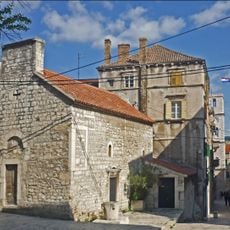
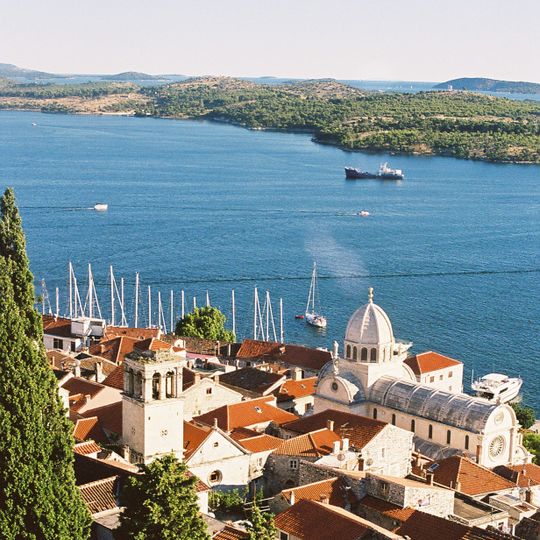
Šibenik occupies the spot where the Krka River flows into the Adriatic, ringed by stone structures and four medieval fortifications on the surrounding hills. The old quarter rises in narrow lanes from the harbor and opens into small squares with fountains and stone doorways.
The settlement first appeared in records in 1066 and grew from a Croatian fortress. Venetian rulers governed it from 1412 until the republic collapsed in 1797.
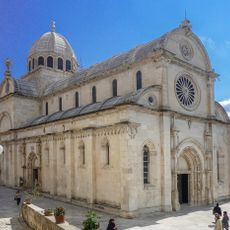
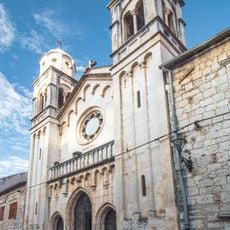
The cathedral displays more than seventy portrait heads from the 15th century carved into its exterior friezes, showing faces of local residents from that period. Visitors walking around the outer walls can see these stone profiles and recognize the direct link between the craftsmen and the community they knew.
The central bus station links travelers to larger Croatian cities, while ferries leave regularly for nearby islands Prvić and Zlarin during summer. The old quarter can be explored on foot, though steep lanes require solid footwear.
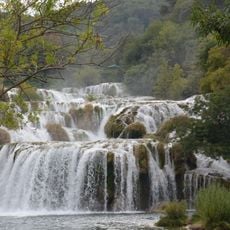
In 1895 this became the first city in the world to install a complete alternating current electrical system for public street lighting. The power came from the nearby Krka waterfalls and demonstrated the practical application of what was then new technology.
The community of curious travelers
AroundUs brings together thousands of curated places, local tips, and hidden gems, enriched daily by 92,398 contributors worldwide.