Croatia–Slovenia border, international border
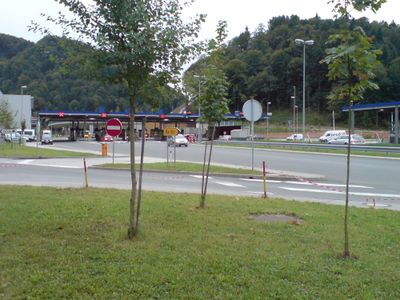
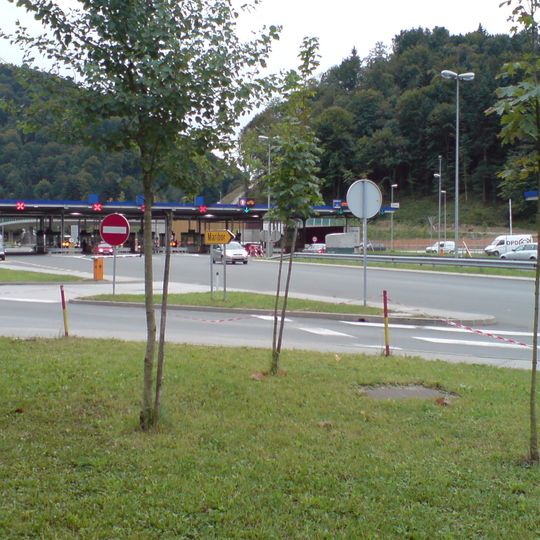
The border between Croatia and Slovenia spans around 670 kilometers and serves as both a land and maritime boundary. There are 42 official crossing points, with some motorway routes like Gruskovje and Macelj handling more traffic than others.
Since Croatia joined the European Union on July 1, 2013, there have been no traditional customs controls at this border. When Croatia entered the Schengen Area at the start of this year, the border became even more open for free movement of people.
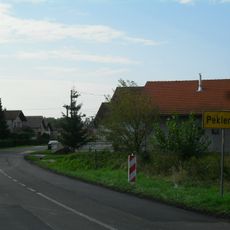
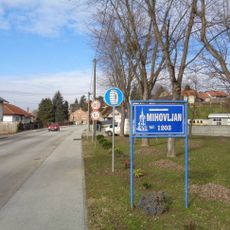
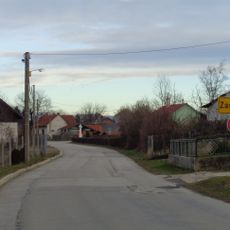
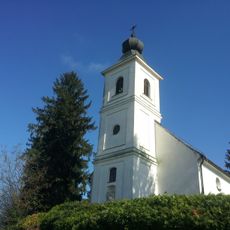
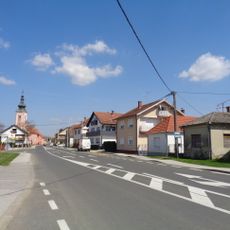
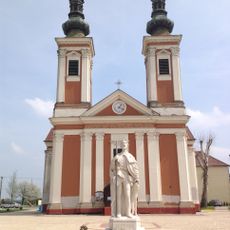
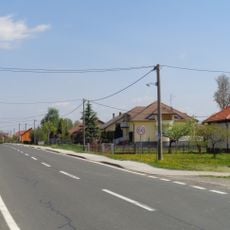
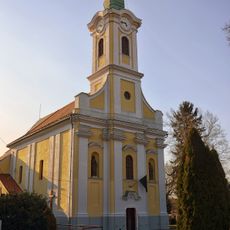
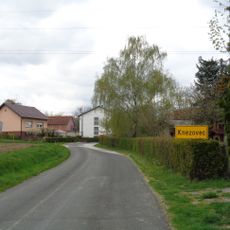
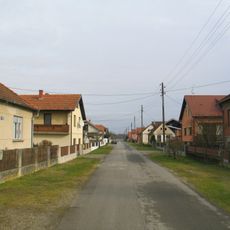
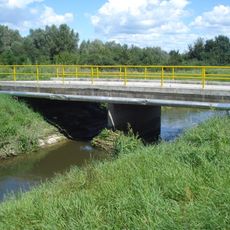
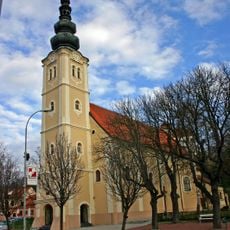
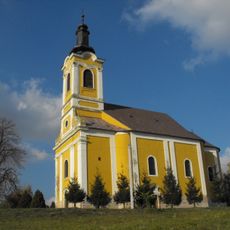
The border area displays features of both nations in its architecture, road signs, and local habits. The blend of Slovenian and Croatian influences is visible in the villages and at the crossing points themselves.
Eight main crossing points operate around the clock, with Gruskovje and Rupa being among the busiest. During summer months and weekends, longer queues form. Plan your trip for early daytime or check real-time conditions online to avoid delays.
Detour through Bosnia-Herzegovina: To reach Dubrovnik, travelers must briefly cross the Peljesac peninsula, which belongs to Bosnia-Herzegovina. This small exclave offers a glimpse of another country before returning to Croatian territory.
The community of curious travelers
AroundUs brings together thousands of curated places, local tips, and hidden gems, enriched daily by 91,801 contributors worldwide.