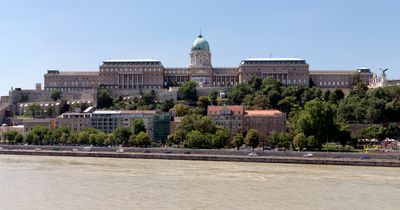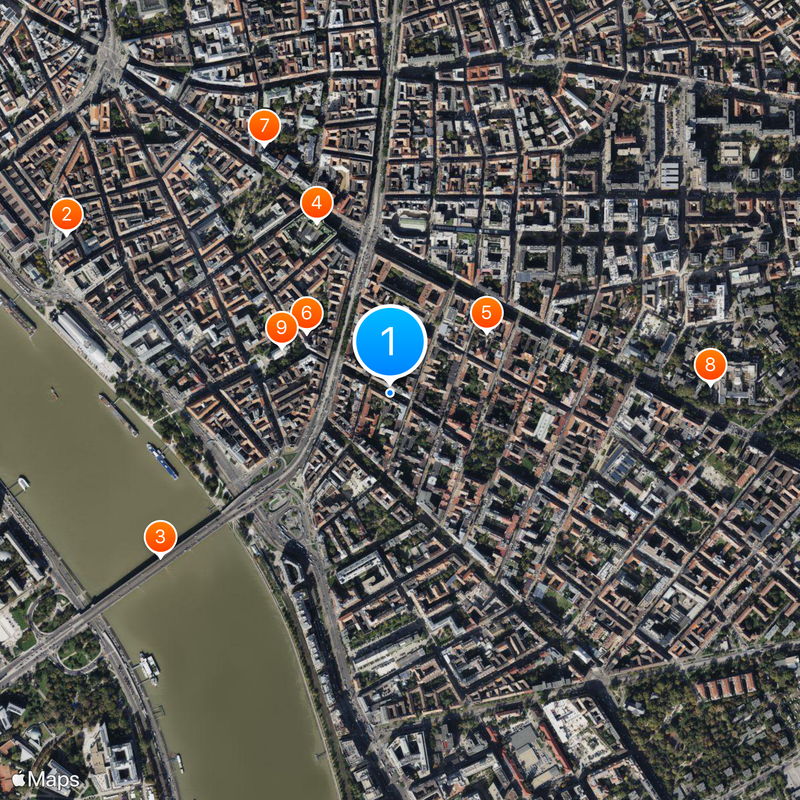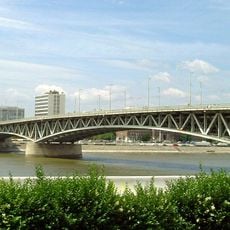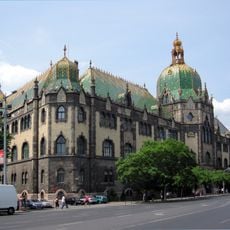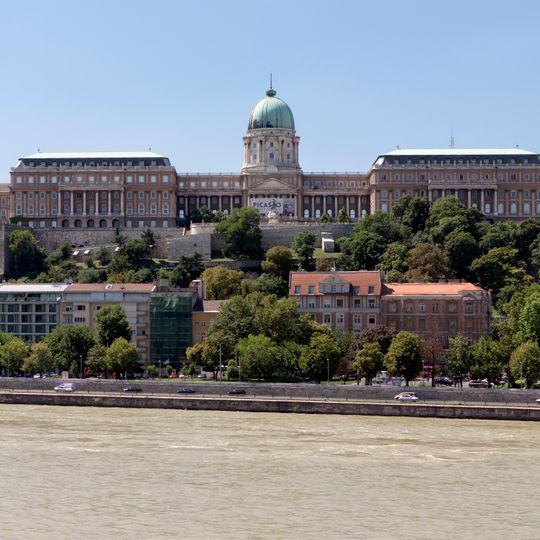
History of Budapest, Historical development of former Pest district in Budapest, Hungary
Budapest's history begins with Pest, a city on the eastern bank of the Danube that grew outward from flat land. Today's Pest is shaped by wide streets, banks, shops, and metro stations that connect different parts of the eastern side.
Pest began as a settlement that grew slowly until 1873, when it merged with Buda and Óbuda to form Budapest. This joining made the new city a major administrative hub and triggered rapid expansion over the following decades.
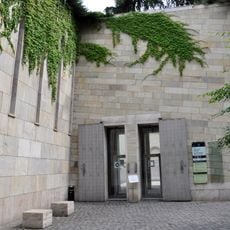
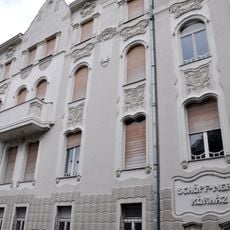
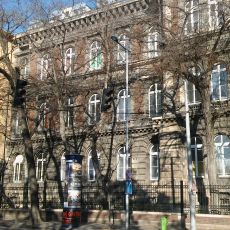
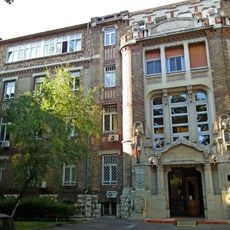
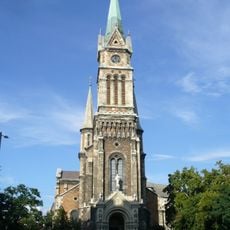
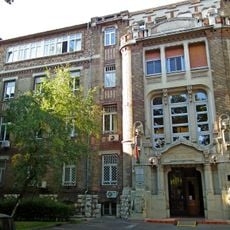
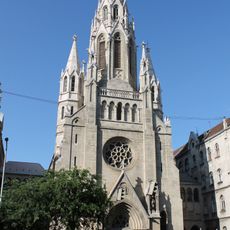
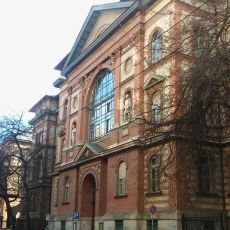
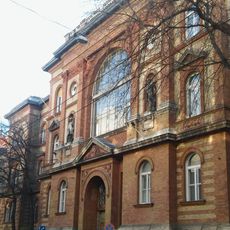
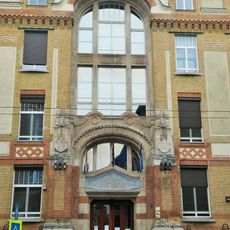
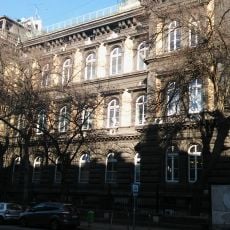
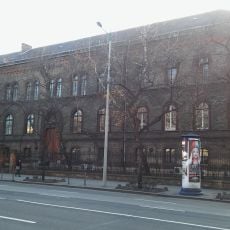
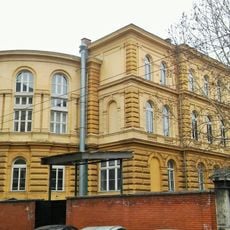
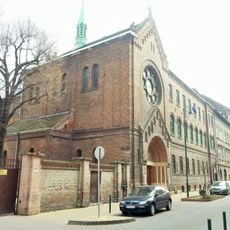
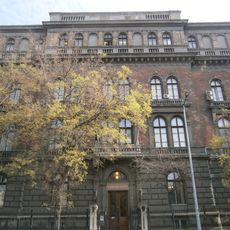
The wide avenues and grand buildings of Pest reflect the prosperity that came after 1873, showing how the city saw itself as a rising power in Europe. Walking through these streets today, you sense the confidence of that era in every facade and plaza.
The best way to explore Pest is on foot or by metro, as the city spreads across a large area. Pay attention to the historic buildings along the main avenues and visit the busy squares to get a sense of how the city is laid out.
Between 1870 and 1910, the city grew so rapidly that it attracted people from across Europe and became one of the continent's major urban centers. This growth was so intense that entire new neighborhoods had to be built to house the arriving population.
The community of curious travelers
AroundUs brings together thousands of curated places, local tips, and hidden gems, enriched daily by 91,831 contributors worldwide.