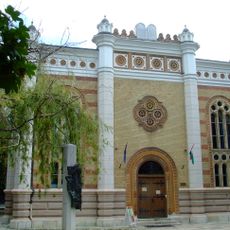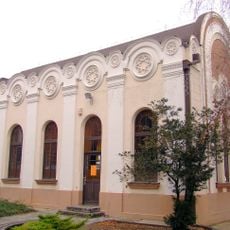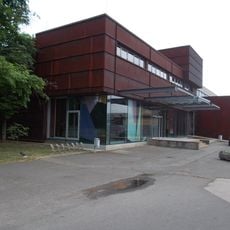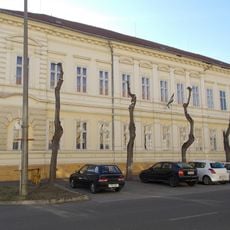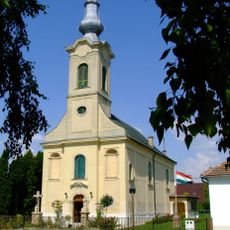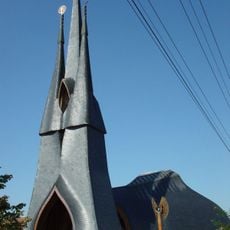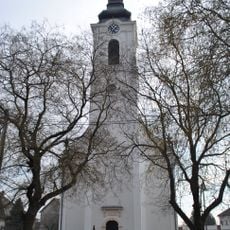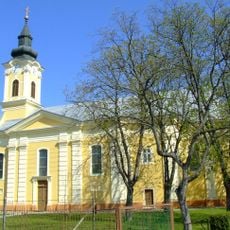
Kalocsa, Religious center in the Great Plains, Hungary
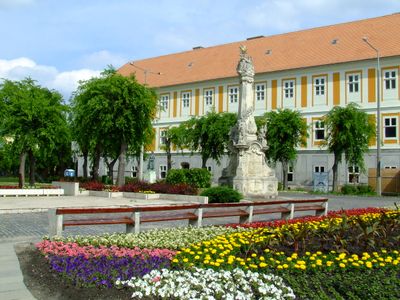
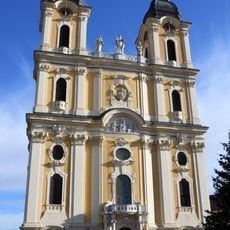
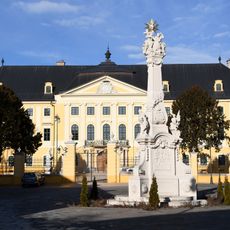
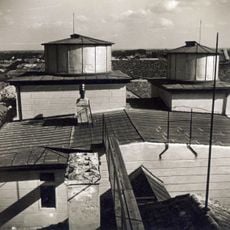
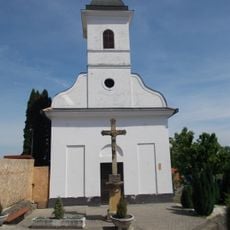
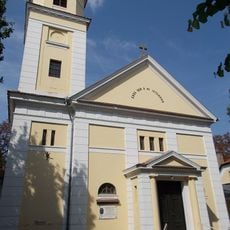
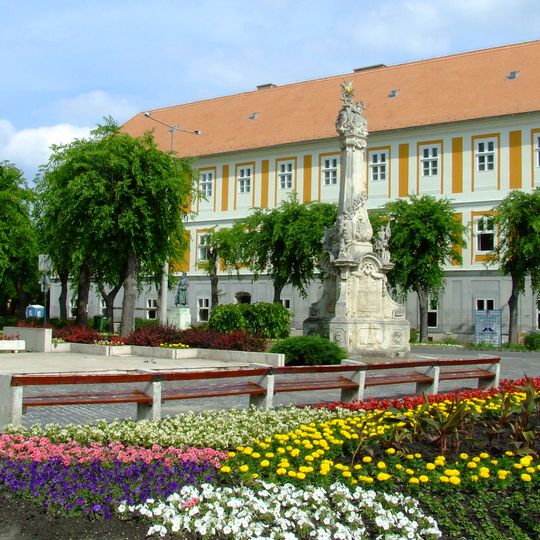
Kalocsa is a town on fertile grounds near the Danube River in Hungary's Great Plains, featuring a grand cathedral and an archbishop's palace. The surrounding landscape is defined by extensive paprika pepper fields that stretch across the region.
King Stephen I established Kalocsa as a bishopric in 1001, with its religious status later elevated to archbishopric in the 11th century. This ecclesiastical role shaped the town's development across subsequent centuries.
Local embroidery makers, traditionally women, stitch colorful flower patterns into textiles and clothing that reflect the region's visual traditions. These handmade pieces appear on folk costumes, household linens, and decorative items throughout the town.
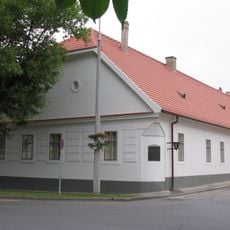
Museums such as the House of Folk Art and the Paprika Museum display exhibits about regional crafts and the role of paprika in the local economy. The town's main sights are best explored on foot, as they are located within walking distance of each other.
A futuristic tower from the 1970s with moving light elements and mechanical components was built to honor Nicolas Schöffer, a pioneering kinetic artist born in the town. The artwork remains a rare example of experimental technology from that era.
The community of curious travelers
AroundUs brings together thousands of curated places, local tips, and hidden gems, enriched daily by 91,507 contributors worldwide.