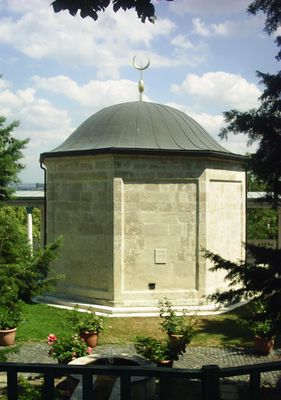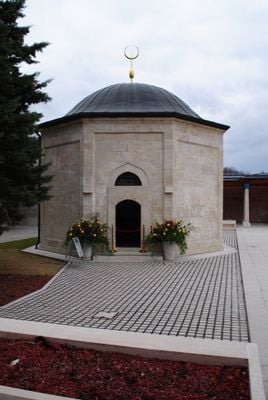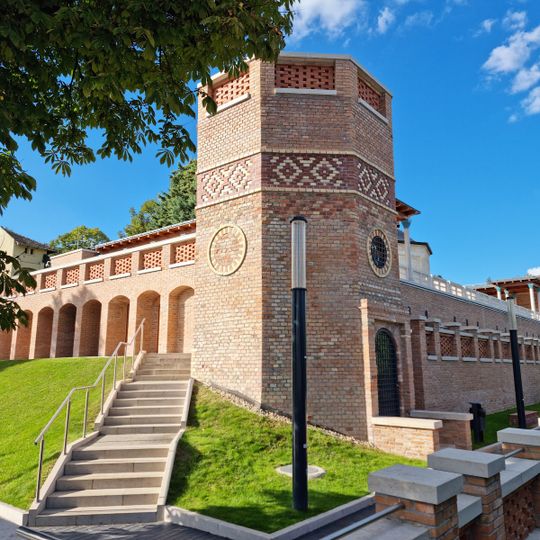
Tomb of Gül Baba, Ottoman mausoleum in Rózsadomb, Hungary.
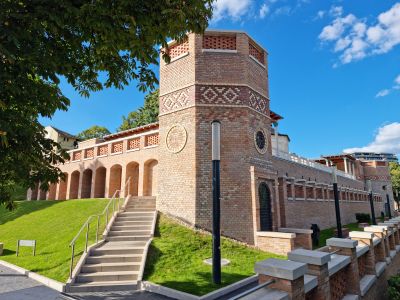
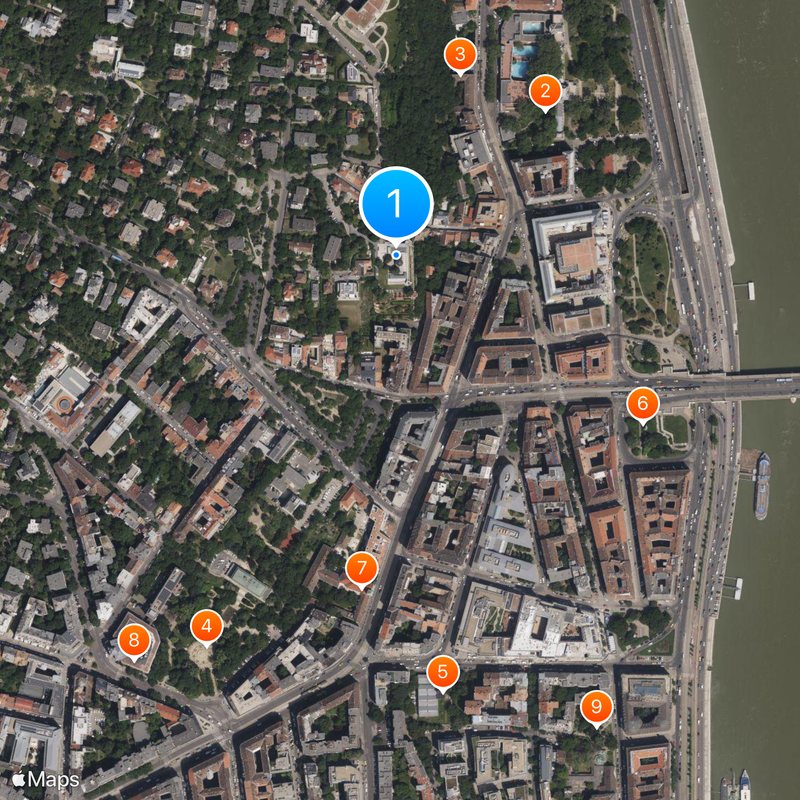
The Tomb of Gül Baba is an octagonal structure with a shallow dome covered in lead plates and wooden tiles, rising prominently on a hillside near Margaret Bridge. The interior features a simple layout with a central casket and window openings that allow light to filter into this quiet sanctuary.
The monument was built between 1543 and 1548 by Mehmed Pasha and houses the remains of Gül Baba, who died during the Ottoman conquest of Buda in 1541. After the Habsburg takeover in 1686, it was converted into a Roman Catholic chapel before eventually returning to its original function.
The site is named after the revered Islamic figure buried within and draws pilgrims who come to see the Quranic verses inscribed on the central casket. Visitors enter a quiet, meditative space that remains open to people of all faiths and serves as a spiritual center that draws seekers to its hilltop location.
The site is best reached by walking up steep footpaths that lead to the hilltop location and require some effort from the base. Visitors should wear comfortable shoes and be prepared for access through narrow, winding streets, especially when coming from the old town area.
This is the northernmost Islamic pilgrimage site in Europe and draws visitors from many backgrounds who often express surprise at discovering this place in Hungary. Its position on the hillside offers views across the city and river, making the climb up a rewarding experience with multiple layers of discovery.
The community of curious travelers
AroundUs brings together thousands of curated places, local tips, and hidden gems, enriched daily by 60,000 contributors worldwide.