Molnár János Cave, Underground thermal cave system in Budapest, Hungary
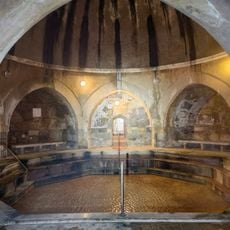
Molnár János Cave is an underground thermal system beneath Budapest with passages running through limestone formations. The cave system spans several kilometers and is fed by natural springs with warm water that creates visible mineral deposits throughout its passages.
A pharmacist named János Molnár explored the dry sections above Lake Malom in the 19th century, revealing an extensive underground network beneath the city. His investigations established scientific interest in the site and opened it to further research and exploration.
The cave bears the name of János Molnár, who surveyed its dry passages in 1856 and analysed the water's chemical composition, reporting in the Orvosi Hetilap in 1858. Ferenc Papp proposed in his 1942 book on Budapest's thermal springs that the cavity, then called Langyos-forrásbarlang, be named after its first describer. The name Molnár János-barlang entered the literature in 1977.
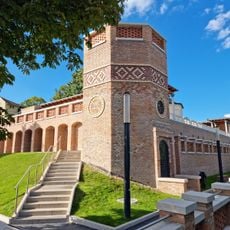
The cave is closed; entry and diving require a permit from the Duna–Ipoly National Park Directorate. Its two walkable entrances lie above and below the water level of Lake Malom, at the foot of József Hill, and the upper dry entrance sits above the lake.
The cave's water is a mix of warm water rising from depth and cold karst water arriving from the Buda Hills, and the thermal water emerging here is used by the Szent Lukács medicinal bath. Two species of woodlouse and a previously unknown snail species live in its passages.
The community of curious travelers
AroundUs brings together thousands of curated places, local tips, and hidden gems, enriched daily by 92,793 contributors worldwide.