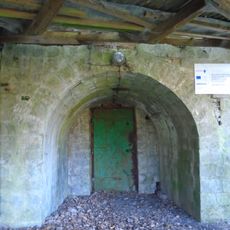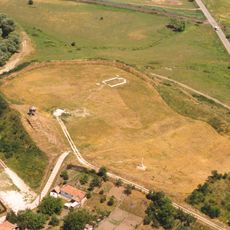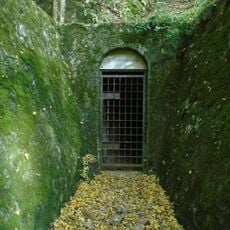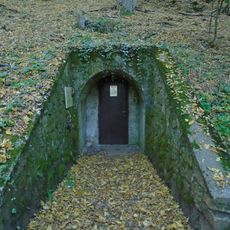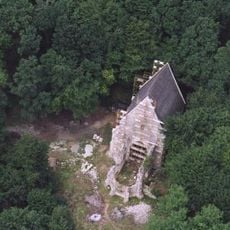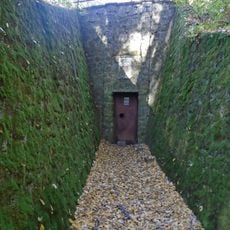
Csorbakő Castle, Medieval castle ruins in Borsod-Abaúj-Zemplén County, Hungary.
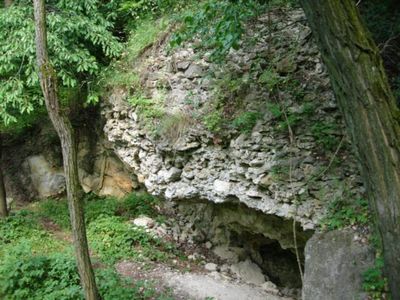
Csorbakő Castle stands as ruins of a fortress on a rocky hilltop in Borsod-Abaúj-Zemplén County, featuring stone walls built across different medieval periods with varying construction techniques. The site includes several distinct areas and structures at different stages of preservation.
The Ládi family of the Tekes clan built the castle around 1300, likely under Ládi Csorba Miklós, whose name appears 19th on Kassa's hostage list. Perényi András bought the decaying castle in 1351; in 1403 King Zsigmond let Perényi Imre rebuild it as a noble residence. Pálóci Simon seized it during the 1440s civil wars and returned it only in 1445. Bebek Imre ran a coin-forging workshop here for 13 years until his death in 1553, after which Bebek Ferenc had the castle demolished by Rudabánya miners.
The castle's name is linked to Ládi Csorba Miklós, who lived around 1300; his name appears 19th on the Kassa hostage list, where he offered 46 Aba family members for the release of Aba Amadé's sons. In the 17th century, villagers still used the ruins as a refuge from the Turks.
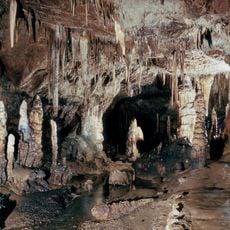
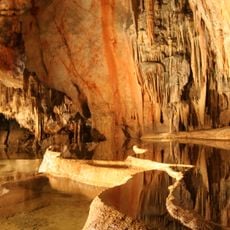
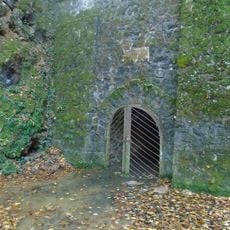
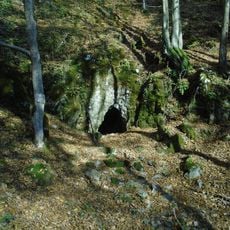
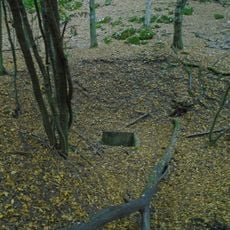
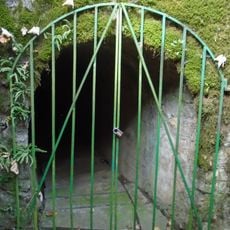
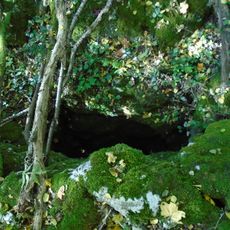
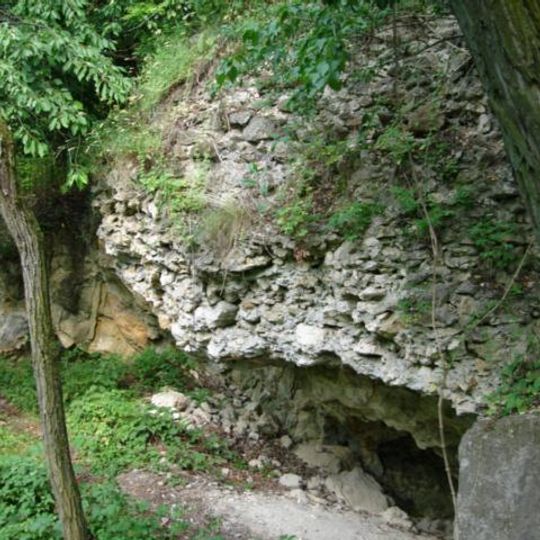
The ruins lie on the northeastern ridge of Nagy-hegy, 2 km northwest of Szuhogy, in dense vegetation; no facilities are nearby. The northern side of the hill holds a cave opened by Andor Saád in 1928. Sturdy shoes help on the uneven ground.
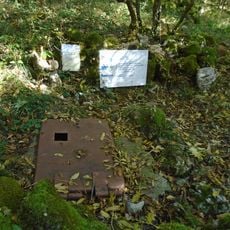
Excavations led by Andor Leszih from 1928, and continued by András Szegő, uncovered casting crucibles, metal plates and coins without precious-metal content in the castle. These were the tools of a counterfeiting workshop run for 13 years by Imre Bebek, a provost who lived with a wife and held notorious parties in the palace.
The community of curious travelers
AroundUs brings together thousands of curated places, local tips, and hidden gems, enriched daily by 94,481 contributors worldwide.