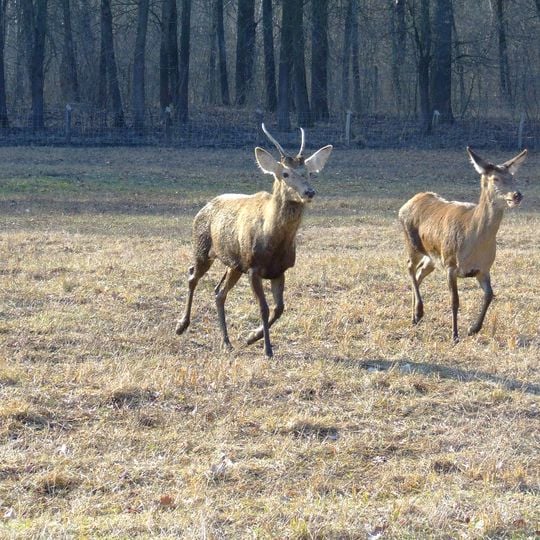
Danube-Drava National Park, National park in Baranya County, Hungary.
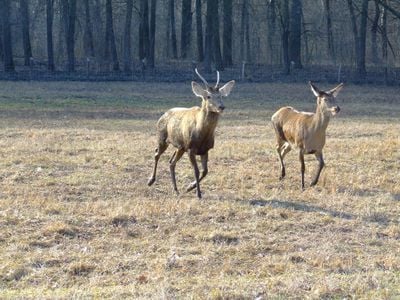
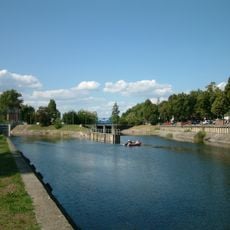
Danube-Drava National Park is a protected area in Baranya County that stretches along both rivers and includes wide wetlands, dense floodplain forests and open riverbanks. The landscape consists of flat flood zones with winding channels, reed belts and tall poplars where bird species such as herons and kingfishers live.
The park was founded in 1996, after a planned joint park with Yugoslavia in the early 1990s could not be established. It merged areas already protected, such as Gemenc, a landscape protection area since 1977, and Béda-Karapancsa, protected since 1989. In 2021 it became a core zone of the five-country Mura-Drava-Danube UNESCO Biosphere Reserve.
The name links the two rivers that have long shaped life in this region, their banks still lined with small villages today. In some settlements, old fishing cottages remain, where residents once made their living from the water and now guide visitors through nearby floodplain woods.
The park's sites lie along the Danube from the Sió mouth to the southern border and along the Drava, with the Gemenc forest railway running through the floodplain near Baja and Mohács. Access to the Béda and Karapancsa sections is from Mohács and the villages of Kölked and Homorúd. Parts of the floodplain are flooded seasonally, so check conditions before setting out.
Seven invertebrate species occur nowhere else in Hungary except this park, among them the Drava caddis fly. The park also shelters two endangered sturgeon species in its Danube channels: the ship sturgeon and the sterlet. Since 15 September 2021 it has been a core zone of the five-country Mura-Drava-Danube Biosphere Reserve, called the "Amazon of Europe".
The community of curious travelers
AroundUs brings together thousands of curated places, local tips, and hidden gems, enriched daily by 92,789 contributors worldwide.