Lake Öreg, Artificial lake and Ramsar site in Tata, Hungary
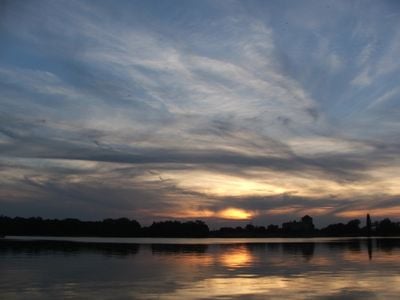
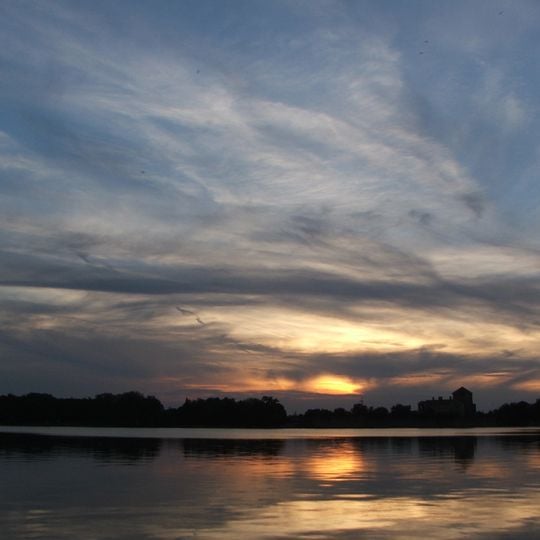
Lake Öreg is an artificial body of water in the Carpathian Basin near Tata, surrounded by marshes and wetlands. The shallow edges merge into reed belts while open water areas form resting zones for migratory birds.
A Roman-era valley dam was built on the Által-ér stream, and in the 1740s Sámuel Mikoviny's plans gave the lake its present form by draining the surrounding marshes. From the 1700s it served as a fish pond of the Esterházy estate until 1965, making it Hungary's oldest fish pond. It became a Ramsar site on 17 March 1989, and waterfowl hunting was banned in 1993.
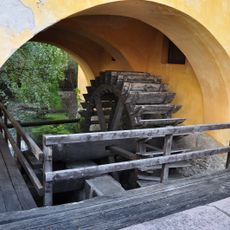
The name Öreg-tó means "old lake", referring to its long use rather than its size. It has served as a fish pond since the 1700s under the Esterházy estate, and it is still fished each November. On the shore stands the Water Slaughterhouse, built around 1780 to Jakab Fellner's plans, with a thick reed roof pierced by "catfish mouth" openings; boats are now moored beside it.
The best access to the lake runs along paths on the northern and eastern shores, where observation points offer views over the water. Shallow shore areas may flood in spring, so sturdy footwear is advisable.
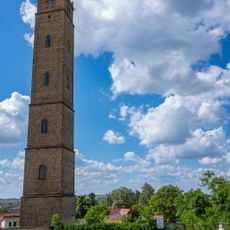
The 11-metre observation tower on the shore was erected in 1999 to watch the wintering geese; more than 20,000 birds regularly gather here, and about 12% of Europe's wintering bean geese stay on the lake. The red-necked goose, strictly protected, is now seen more often during migration.
The community of curious travelers
AroundUs brings together thousands of curated places, local tips, and hidden gems, enriched daily by 92,788 contributors worldwide.