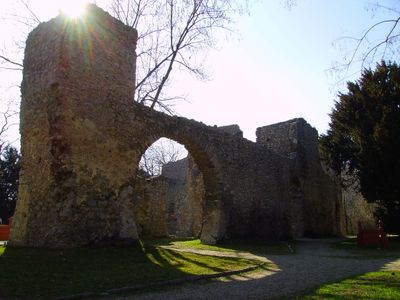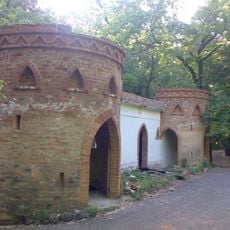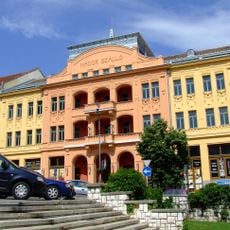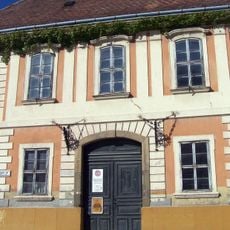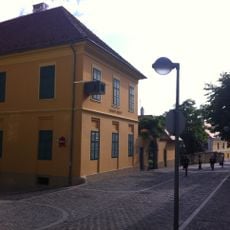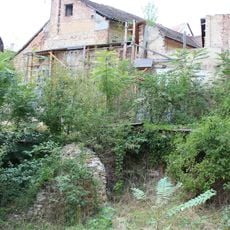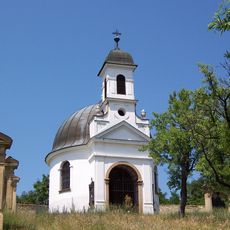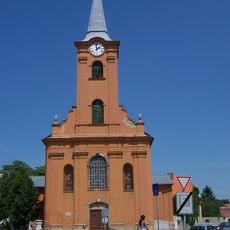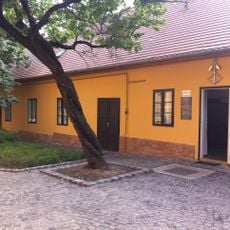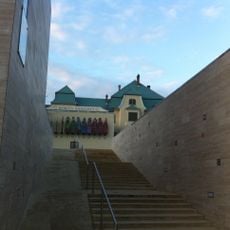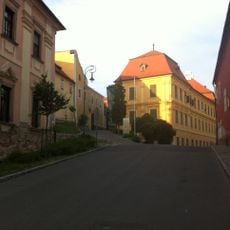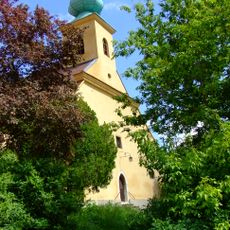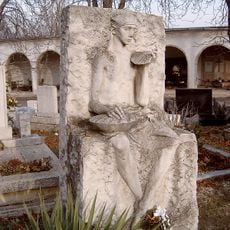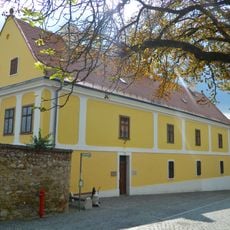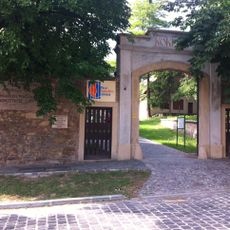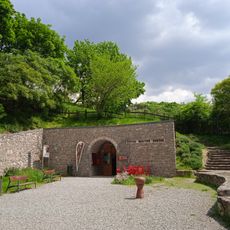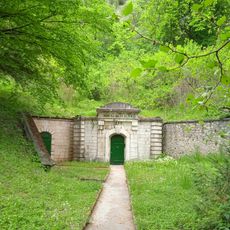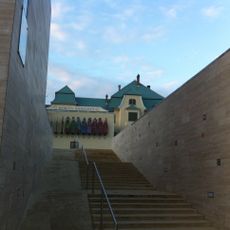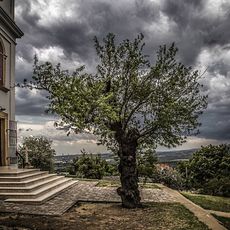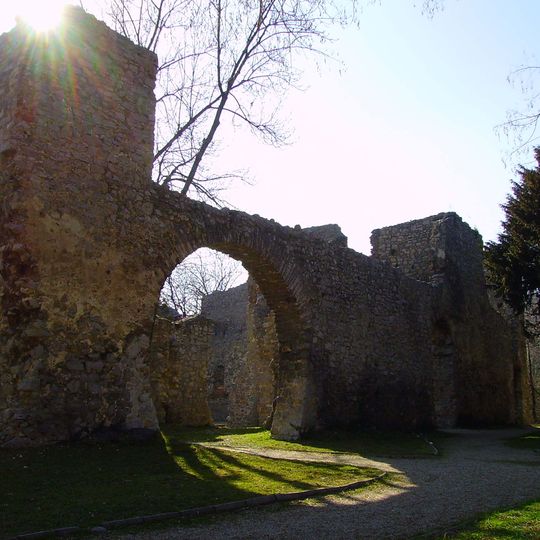
Ruins in Tettye, Renaissance ruins in Tettye district, Pécs, Hungary.
The ruins in Tettye are a stone structure situated on a hill within a roughly four-hectare park, displaying walls and foundations from a former palace. The site sits on elevated ground that overlooks the surrounding landscape and green spaces.
Bishop György Szathmáry built this summer residence in the early 1500s, which later became a dervish monastery during the Turkish occupation. This transformation reflects the religious and political changes the region experienced over time.
The ruins now serve as an outdoor theater during summer, with performances set against the old stone walls. This use shows how the place continues to bring people together for art and entertainment after centuries of different purposes.
The site is easiest to reach on foot by following Kossuth Lajos Street northeast from Széchenyi Square, with parking available nearby. Summer is the best time to visit if you want to catch performances, though the park remains accessible year-round.
The name Tettye comes from the Turkish word 'tekia' meaning monastery, preserving memory of the site's Islamic phase in everyday language. This linguistic link to the Ottoman occupation remains alive in how locals refer to the area.
The community of curious travelers
AroundUs brings together thousands of curated places, local tips, and hidden gems, enriched daily by 60,000 contributors worldwide.