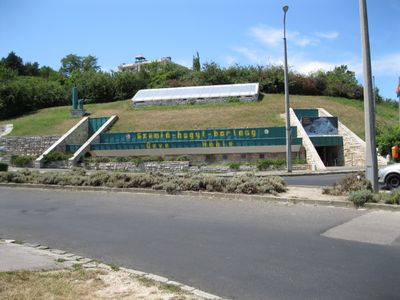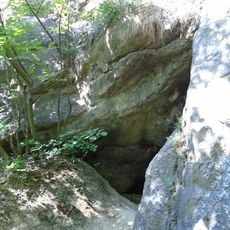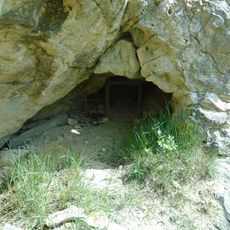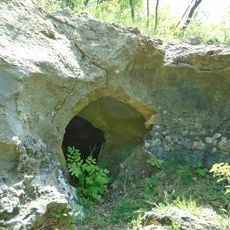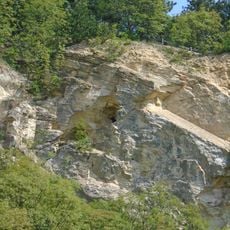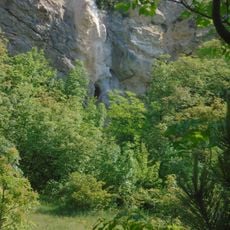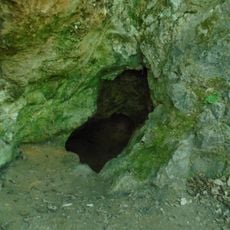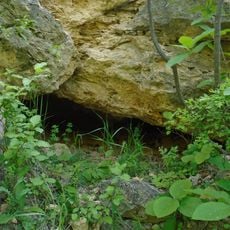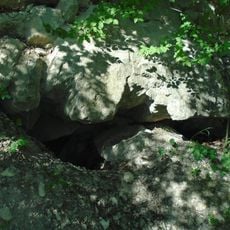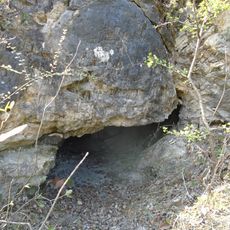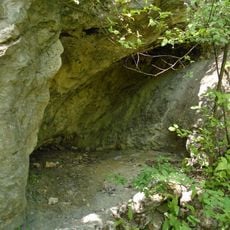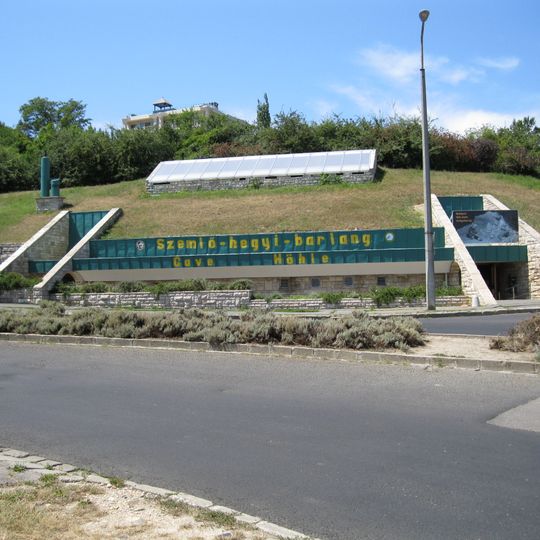
Szemlő-hegy Cave, Natural cave in Budapest District II, Hungary.
Szemlő-hegy Cave is a cave system in Budapest that extends through limestone layers with distinctive features along its passages. The walls display layered gypsum crystal formations and pale mineral deposits created by warm underground waters.
The cave was discovered in the early 20th century during construction work and later became a focus of scientific study. This find contributed to understanding how Budapest's thermal system shaped the underground landscape.
The cave's name comes from Szemlő-hegy, the hill where it lies; the sources record no meaning for the name. In literature it also appears as Kadić-barlang, Rothermere-barlang and Zöldmáli cseppkőbarlang. Visitors can see pea-stone clusters, yellowish-white spheres formed where thermal water reached the limestone, together with gypsum coatings and needle-like aragonite groups.
The cave stays cool year-round, so bring a light jacket and wear sturdy shoes with good grip. The floors can be slippery in places, so move carefully and hold the railings where they are available.
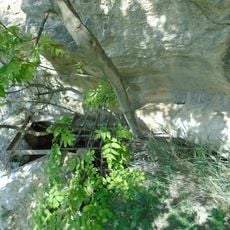
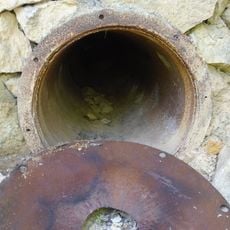
The cave has no natural entrance, so no bats live inside and flash photography is allowed. Its passages were opened in 1930 when quarrying at Barlang utca 10 broke into a narrow shaft; Kessler Hubert and Futó András entered that September, and Szekula Mária squeezed through the Tű fok on 28 September 1930 to reach further passages.
The community of curious travelers
AroundUs brings together thousands of curated places, local tips, and hidden gems, enriched daily by 93,122 contributors worldwide.