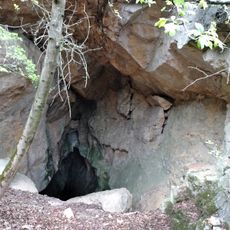
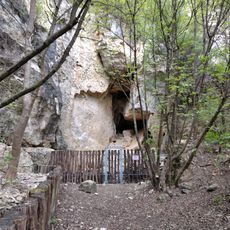
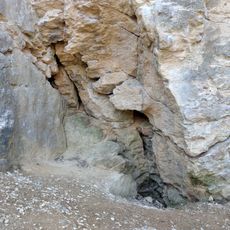
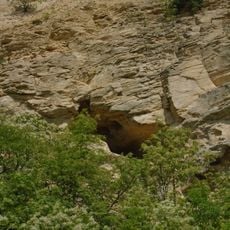
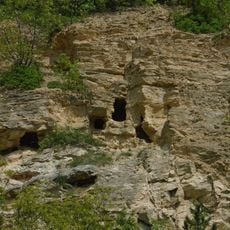
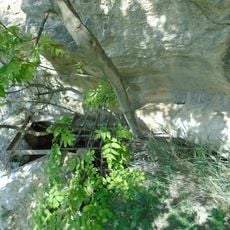
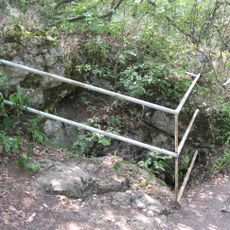
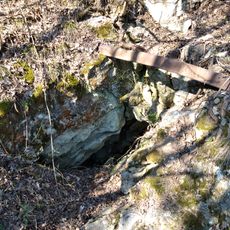
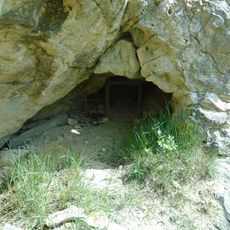
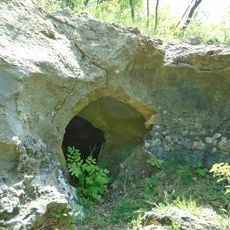
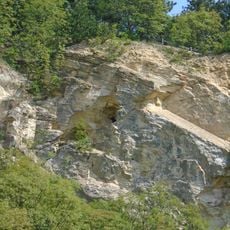
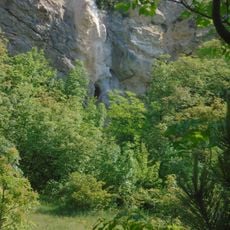
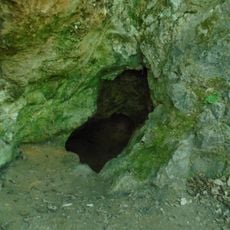
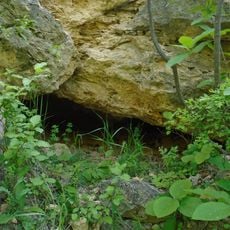
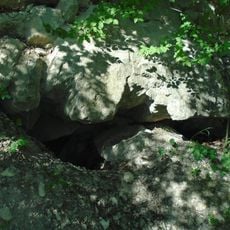
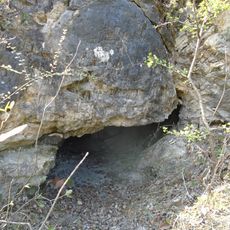
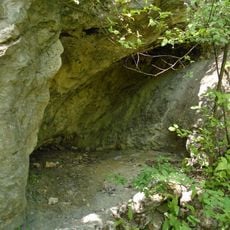
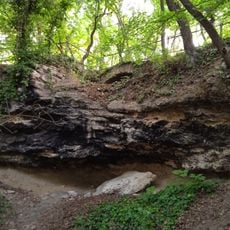
Pál-völgy Cave, Underground cave system in District II, Budapest, Hungary
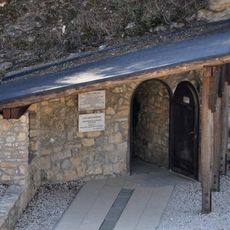
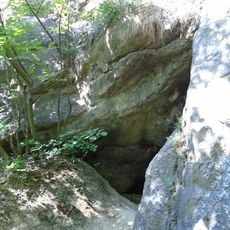
Pál-völgy Cave is an underground system in Budapest District II formed within limestone bedrock, containing multiple interconnected chambers that descend deeper into the earth. Visitors walk through passages where natural mineral formations cover the surfaces and create the visible structure of the underground network.
The cave system was discovered in 1904, revealing an underground network beneath the city streets. During World War II, local residents sought shelter within the passages to escape bombing raids on Budapest.
The Hungarian name Pál-völgyi-cseppkőbarlang means "Pál Valley stalactite cave", linking the site to the valley and to its calcite formations. Since 2011 the cave has been part of the Szépvölgy cave network, which at 29 km is Hungary's largest, surpassing the Baradla-Domica system. Guided tours cover 500 m of developed passages.
The underground temperatures stay constant throughout the year and remain quite cool, so bring warm clothing along for your visit. The pathways inside are uneven and require sturdy footwear and a reasonable level of fitness to navigate comfortably.
The cave's passages preserve fossils in their walls: large single-celled Nummulites and Discocyclina shells, plus Pecten bivalves, sea urchins and bryozoans. In the Liliomkert area and near the Heliktites-terem, segments of crinoid stems are visible in the rock.
The community of curious travelers
AroundUs brings together thousands of curated places, local tips, and hidden gems, enriched daily by 93,128 contributors worldwide.