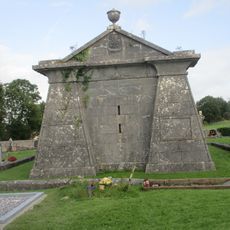
Ennis Friary, Franciscan friary in Ennis, Ireland
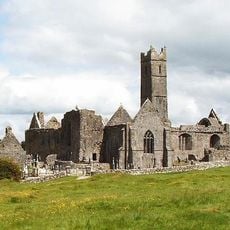
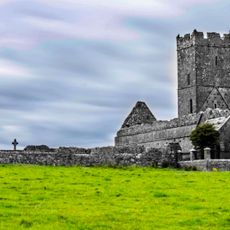
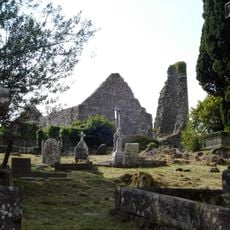
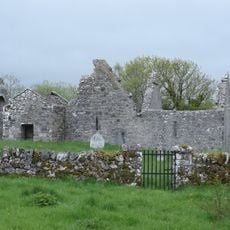
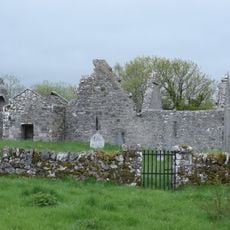
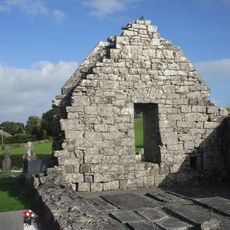
Ennis Friary is a ruined Franciscan friary on Abbey Street near the River Fergus in Ennis, County Clare. Its surviving stone church, cloister and transept show Gothic features, including a 15th-century belfry tower and a south transept with the Lady Chapel. Carved figures and O'Brien tombs remain in the ruins.
Donnchadh Cairbreach Ó Briain, King of Thomond, settled at Cluain Rámhfhada (Ennis) in 1216 and reportedly offered shelter to the Franciscans in 1241/2; he died in 1244 and was buried at the Dominican house in Limerick, so the friary was then unfinished. Toirdelbach Ó Briain gave bells, crucifixes and blue-stained glass after his victory over de Clare in 1287. A sacristy and refectory were added in 1314, the cloister and transept in 1400, and the belfry tower in 1475.
The Irish name Mainistir na hInse means "monastery of the island", recalling the Fergus site called Cluain Rámhfhada. Look for the 15th-century cloister and the MacNamara and O'Brien tombs; Turlough O'Brien's sons Muircheartach and Donnchadh were buried here, and Maccon Caech MacNamara, who added the sacristy and refectory in 1314, was buried here after dying of plague in 1347.
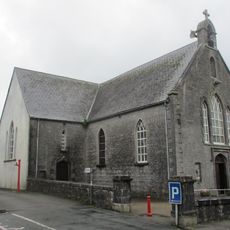
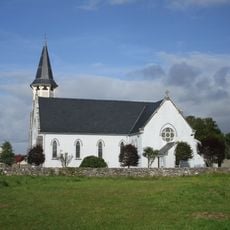
Ennis Friary stands on Abbey Street beside the River Fergus in the town centre, not on an island. The ruins are a National Monument managed by the Office of Public Works and open to visitors; the graveyard on the site was closed in 1893. The Franciscans now worship at the Gothic Revival Church of the Immaculate Conception nearby.
The friary stands on Abbey Street near the River Fergus, not on an island today; the island of Cluain Rámhfhada was the early settlement site where Donnchadh Ó Briain moved his seat of power in 1216. Look for the 15th-century belfry tower added in 1475 and the cloister and transept built in 1400.
The community of curious travelers
AroundUs brings together thousands of curated places, local tips, and hidden gems, enriched daily by 94,124 contributors worldwide.