Mooghaun, Bronze Age hillfort in County Clare, Ireland
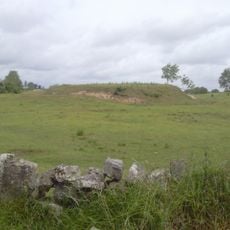
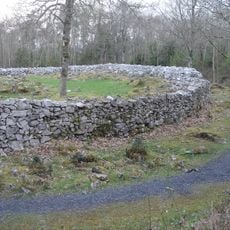
Mooghaun is a Bronze Age hillfort in County Clare, Ireland, made up of three concentric limestone stone walls built around a central area. The walls enclose separate inner spaces and together form one of the largest hillforts of its kind in the British Isles.
The site was built around 950 BC, near the start of the Late Bronze Age, and served as the center of a regional chiefdom. Over the centuries the site was gradually abandoned, though its stone walls survived largely intact.
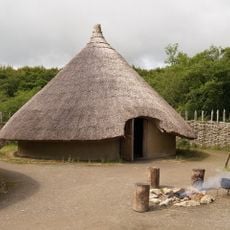
Mooghaun takes its name from the Irish Múchán. The three cashels on the hilltop were built after 500 AD, reusing stones from the earlier ramparts, and traces of round houses were found beside them. In the late 18th or early 19th century the inhabitants of the nearby Dromoland estate used the spot as a viewing point and picnic place, destroying much of the interior and repairing the walls.
The site is reached by a walking trail through woodland and entry is free of charge. Sturdy footwear is a good idea, as the ground can be uneven, especially after rain.
The Mooghaun North Hoard was found in 1854 during construction of the Limerick–Ennis railway, in the neighbouring parish of Mooghaun North. It probably held several hundred gold objects, but most were sold to jewellers and melted down; only 29 originals survive, split between the National Museum of Ireland and the British Museum.
The community of curious travelers
AroundUs brings together thousands of curated places, local tips, and hidden gems, enriched daily by 92,752 contributors worldwide.