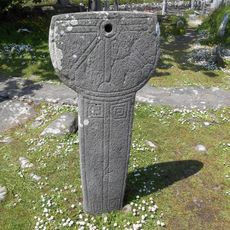
Glanfahan, Archaeological site in County Kerry, Ireland
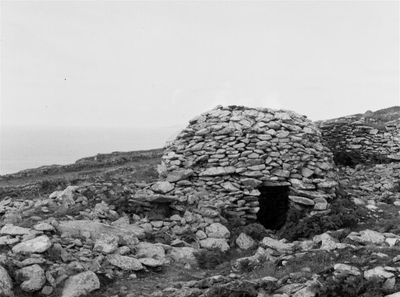
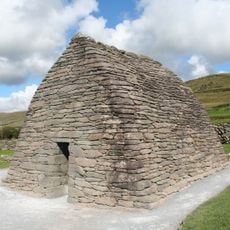
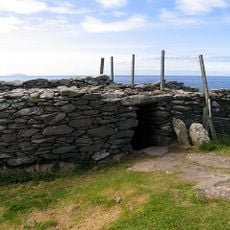
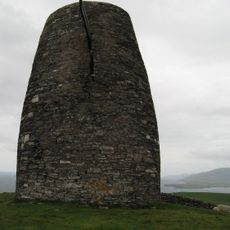
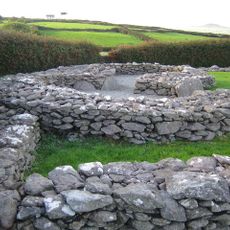
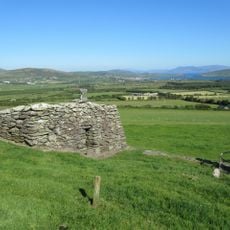
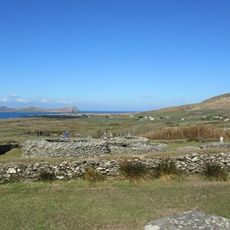
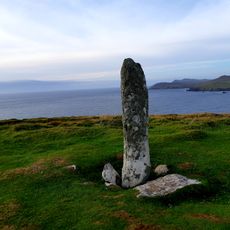
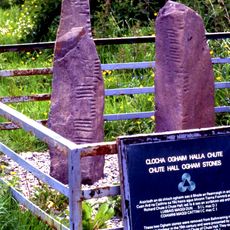
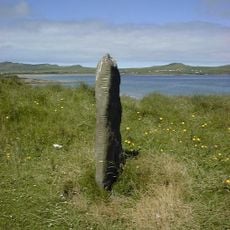
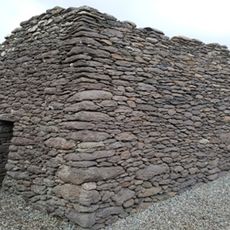
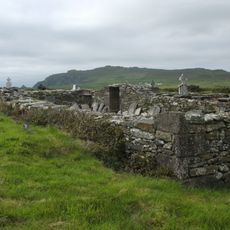
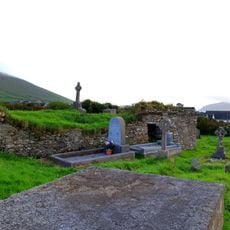
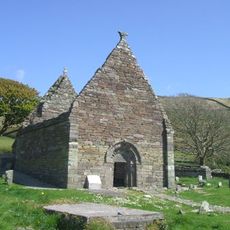
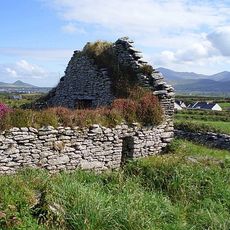
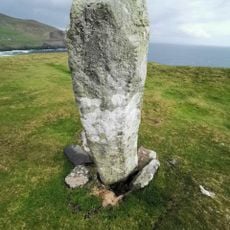
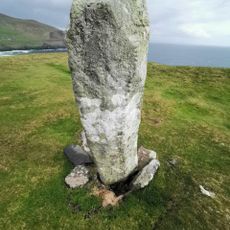
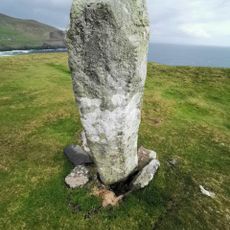
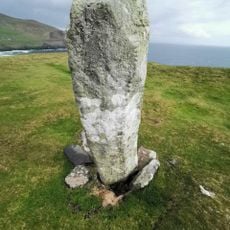
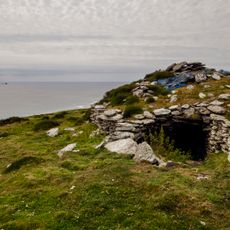
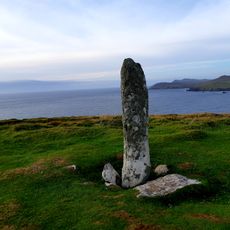
Glanfahan is a townland on the southern slopes of Mount Eagle above Dingle Bay, 3.1 km south of Dunquin. It holds 417 recorded dry stone structures, 19 souterrains and 18 standing stones, including an abandoned village of corbelled clocháns and cashels such as Caherconner, Cahermurphy, Caherfadaandoruis and Caheradurras.
Glanfahan's drystone huts are usually dated to the early Christian period, the 5th to 8th centuries, and linked to monastic traditions of the Dingle Peninsula and possibly the pilgrimage route to Skellig Michael. Other historians place their construction in the 12th century, when Norman invaders pushed Gaelic Irish communities into peripheral areas such as this peninsula. Some Irish cashels stayed occupied until the 18th century.
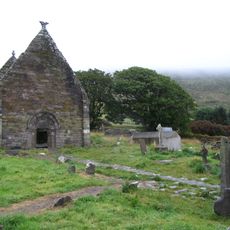
The site served as a pilgrimage destination for centuries, drawing travelers seeking spiritual connection to nearby sacred places. The stone structures reflect how communities organized their daily lives around religious practice and shared shelter.
The site is relatively open and can be explored on foot, with several named enclosures like Caherconner and Cahermurphy serving as useful reference points. The terrain is hillside-based, so sturdy footwear and careful footing are advisable, especially after rain.
Caherfadaandoruis is not a souterrain but a cluster of three conjoined chambers joined by a passage 23 m (75 ft) long. The 2011–12 dig beneath "Clochaun 3" yielded a sharpening stone, a hammerstone, flint and quartz pieces, plus a wrasse tooth of a kind used in amulets.
The community of curious travelers
AroundUs brings together thousands of curated places, local tips, and hidden gems, enriched daily by 94,408 contributors worldwide.