Hurvat Amudim, Archaeological site and national park in Tiberias, Israel.
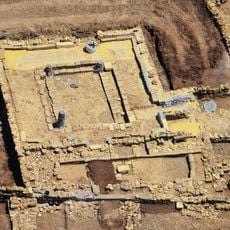
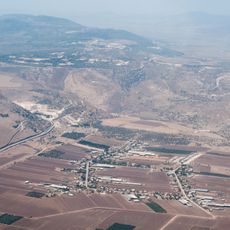
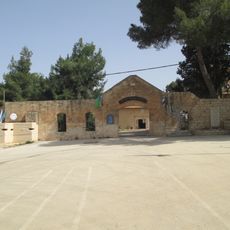
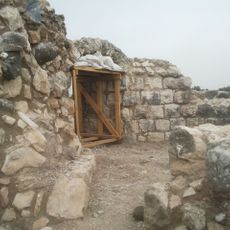
Hurvat Amudim is an archaeological site and national park located southeast of Beit Netofa Valley along Highway 65, containing remains of ancient structures including a synagogue measuring about 25 by 14 meters (82 by 46 feet). The site displays traces of a settlement whose buildings, walls, and floor mosaics show how people lived in ancient times.
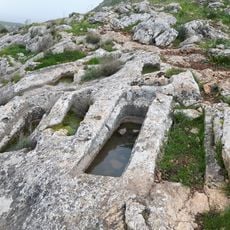
Excavations in 2012 by Gilad Tsinmon and Leah Porat on the western side uncovered quarries, a burial cave, hewn tombs and ceramic vessels spanning the 1st century BCE to the 10th century CE. The synagogue was built at the end of the 3rd or start of the 4th century, and Yigal Levin dated it to that period in 1979. The village was abandoned in the late 4th century.
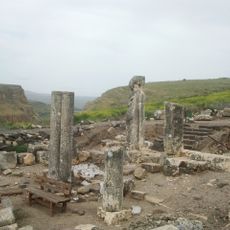
Two Aramaic inscriptions survive at the site. One, in the floor mosaic, names bar Tanhum, who laid the mosaic and roofed the building; the other records that Yo'ezer the hazan and his brother Simeon made the gate of the Lord of Heaven. The name Hurvat Amudim comes from the columns that once held up the synagogue roof and long remained standing.
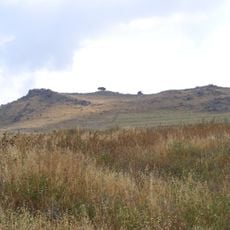
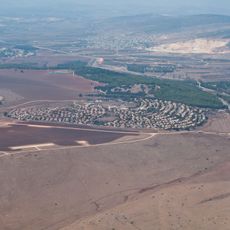
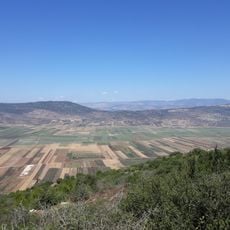
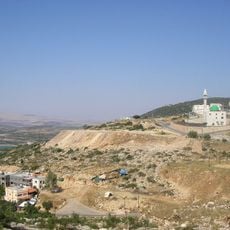
The site is in an easily accessible location with good views of the surrounding landscape and allows visitors to walk freely across the open grounds. It is wise to wear sturdy shoes and bring sun protection, as the area offers little shade.
The synagogue's floor mosaic carried an Aramaic inscription naming bar Tanhum, who laid the pavement and roof, and a second text credits Yo'ezer the hazan and his brother Simeon with making the gate. The name Hurvat Amudim comes from the columns that stayed standing after the roof fell.
The community of curious travelers
AroundUs brings together thousands of curated places, local tips, and hidden gems, enriched daily by 92,651 contributors worldwide.