Saint Nicholas Monastery, Armenian monastery in Old Jaffa, Israel
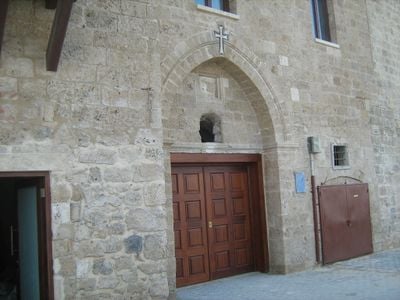
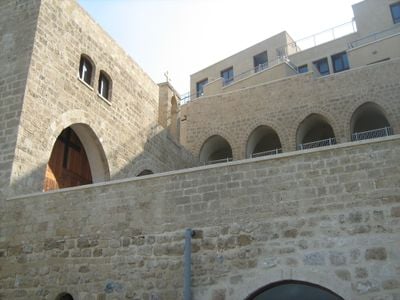
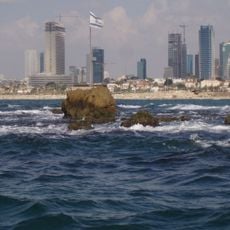
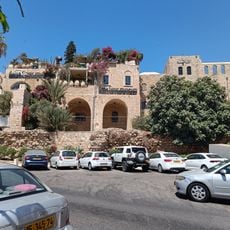
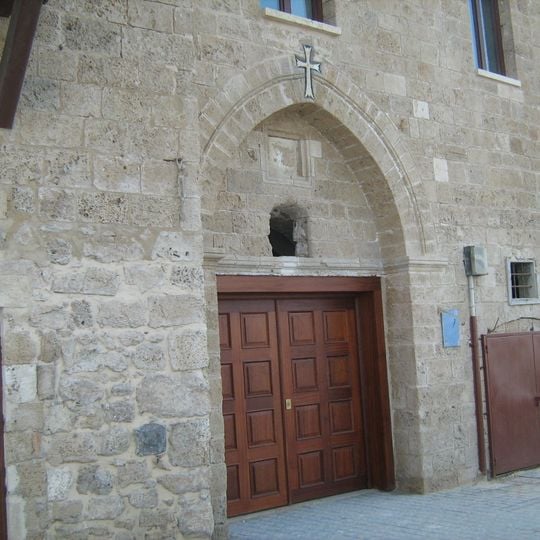
Saint Nicholas Monastery is an Armenian monastic complex in Old Jaffa, Israel, built on multiple levels with a church, residential quarters, and a courtyard. It sits on elevated ground close to Jaffa port, with its facade oriented toward the Mediterranean Sea.
The monastery was founded at the end of the 17th century by the Armenian Patriarchate on earlier Muslim-period retaining walls and fortifications, serving as a hostel for Armenian pilgrims bound for Jerusalem. Excavations in 2002–2004 found Late Bronze and Iron Age remains at the site. After Napoleon took Jaffa in 1799, plague-stricken French soldiers were concentrated in the building, and Napoleon visited them there.
The monastery church serves Jaffa's local Armenian community, and its altar is faced with blue ceramics made by the Armenian artist David Ohannessian in 1937. The complex also houses Armenian residents, part of it converted into flats. Tradition holds that cloth was sewn from Napoleon's gift tent, kept today in the Cathedral of Saint James in Jerusalem.
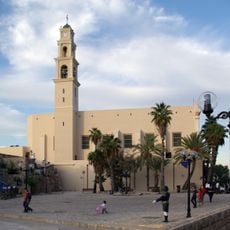
The monastery stands on the northern edge of the Old Jaffa mound, on Yefet Street's upper promenade leading to the port, just north of St. Peter's Church. Parts of the complex are rented as homes and shops, so visitors should keep to the church and courtyard. The small church holds a blue ceramic altar made by Armenian artist David Ohannessian in 1937.
After his campaign, Napoleon is said to have gifted his tent and sword to the monastery as a sign of gratitude for the medical care provided there. These objects were long kept by the community and stand out as an unexpected reminder of a military episode tied to the site.
The community of curious travelers
AroundUs brings together thousands of curated places, local tips, and hidden gems, enriched daily by 94,670 contributors worldwide.