Sebil Abu Nabut B, Ottoman water fountain in Jaffa, Israel
Sebil Abu Nabut B is a hexagonal drinking-water kiosk west of the Mahmoudiya Mosque in Old Jaffa, faced with marble slabs and ringed by six columns with carved capitals, probably reused, that carry six arches and a dome. It has no inscriptions, unlike Sebil Abu Nabut A.
Sebil Abu Nabut B was built in 1815 by Mahmud Agha al-Shami, governor of Jaffa, known as Abu Nabut, beside the entrance to the Mahmoudiya Mosque. When the road was widened the structure was moved about 20 metres west into a small square. The building above it collapsed for unknown reasons and the fountain fell out of use until its restoration in 2011-2012.
The fountain reflects how the Ottoman community valued sharing water resources through attractive public structures that served everyday needs. Such fountains were gathering points where locals and travelers could stop for a drink.
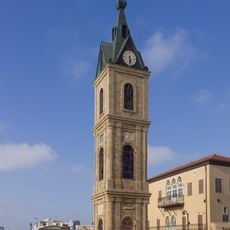
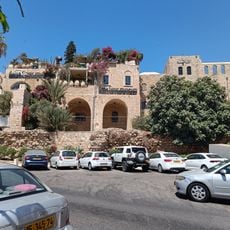
The fountain sits in the old quarter of Jaffa near other historic sites and religious buildings, making it easy to visit while exploring the area. You can see it while walking through the narrow lanes that form the center of this ancient district.
The archaeologist Clermont-Ganneau located Abu Nabut's tomb beside this sebil; it survived until at least 1950 before being lost. The structure was restored in 2011 by architect Eyal Ziv, who worked from 19th-century drawings, at a cost of about 700,000 shekels, and it was inaugurated in 2012.
The community of curious travelers
AroundUs brings together thousands of curated places, local tips, and hidden gems, enriched daily by 92,726 contributors worldwide.