Wadi Ara, Valley passage in Haifa District, Israel
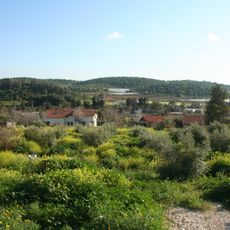
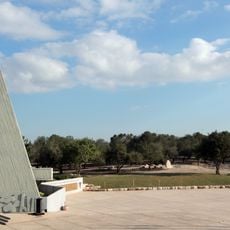
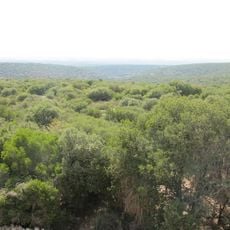
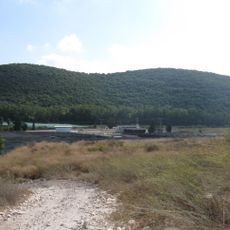
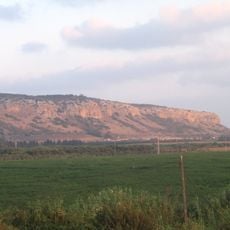
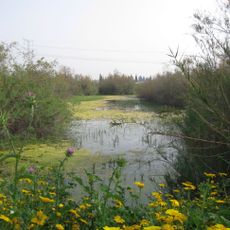
Wadi Ara is a valley in northern Israel that stretches between the coastal plain and Lower Galilee, passing through several Arab towns and agricultural land. The topography creates natural transitions between different landscape zones and shapes the rhythm of life for residents.
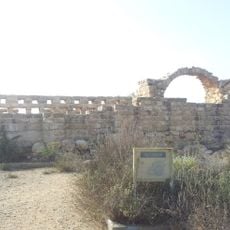
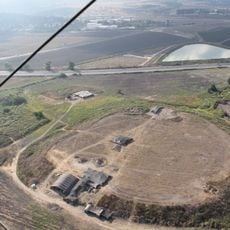
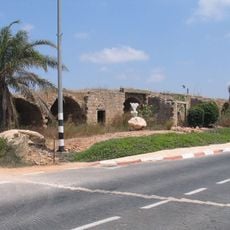
The valley served as an important passage route in ancient times and was used by Egyptian armies under Pharaoh Thutmose III as a strategic corridor. Archaeological sites in the area show evidence of human settlement dating back to the fourth to second millennium BCE.
The valley is home to several Arab communities whose residents have lived here for generations, maintaining local craft traditions and culinary practices. The street markets and shops reflect the daily rhythm of the region and its deep connection to the land.
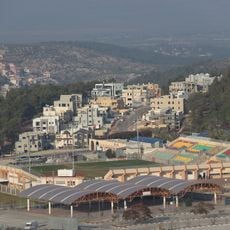
The valley is crossed by several Arab towns, with Umm al-Fahm being the largest and offering local markets, schools, and healthcare facilities. Visitors should prepare for intense heat during summer months and choose suitable routes for moving through the region.
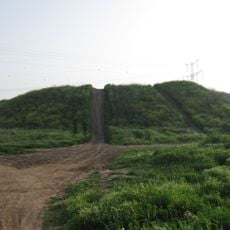
Near Tell el-Asawir, you can find burial caves spanning several millennia where early inhabitants laid to rest their dead. These caves are less known than other archaeological sites in Israel but offer important insights into ancient burial practices.
The community of curious travelers
AroundUs brings together thousands of curated places, local tips, and hidden gems, enriched daily by 92,613 contributors worldwide.