En Esur, Archaeological site in northern Israel
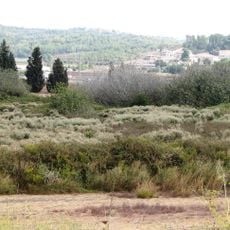
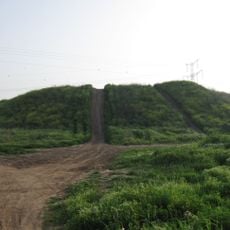
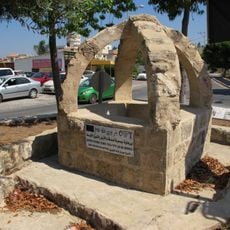
En Esur is an archaeological site in the northern Sharon Plain at the outlet of Wadi Ara, about 1 km east of Moshav Ein Iron. It consists of Tel Esur, a mound of about 28 dunams rising 7–11 m, a smaller mound to its southeast, and surrounding fields where a large Early Bronze Age city was found. Two springs, 'En Esur (or 'En Arubot) and an unnamed one, lie east and southwest of the tell.
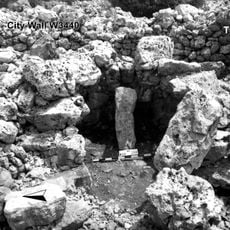
The mound was occupied from the Pottery Neolithic; a 7,000-year-old Early Chalcolithic village with an open cultic area lies beneath the later remains. Around 3000 BCE a fortified proto-city of an estimated 5,000–6,000 inhabitants stood here, the largest in the region, bigger than Megiddo and Jericho. Found in 1977 during reservoir digging, its extent was realized in 1993; excavations in 2017–2019 ahead of a Highway 65 interchange exposed houses, streets and public structures.
The Arabic name Tell el-Asawir means "Mound of the Bracelets," while the Hebrew name comes from the spring 'En Esur beside the tell. Excavations in 2017–2019 uncovered pottery, figurines and tools from the Early Bronze Age city, and a temple built some 2,000 years before the surrounding settlement. Researchers dubbed the site the "New York of the Early Bronze Age."
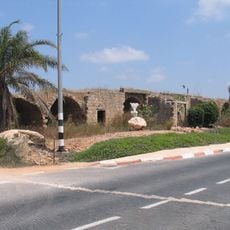
The site lies at the outlet of Wadi Ara, about 1 km east of Moshav Ein Iron, and Highway 65 cuts through it. There are no marked paths or visitor facilities, so access is on foot over uneven ground. The two springs, En Esur and an unnamed one southwest of the tell, are the only water sources; bring your own supply and sun protection.
The Arabic name Tell el-Asawir means "Mound of the Bracelets". The tell rises 7 to 11 metres above the plain and covers about 28 dunams, with a second, unnamed mound southeast of it and two springs, 'En Esur (also called 'En Arubot) to the east and an unnamed one to the southwest.
The community of curious travelers
AroundUs brings together thousands of curated places, local tips, and hidden gems, enriched daily by 92,638 contributors worldwide.