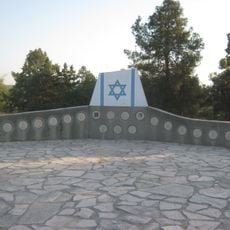
Um el Umdan, Archaeological site in Modi'in-Maccabim-Re'ut, Israel
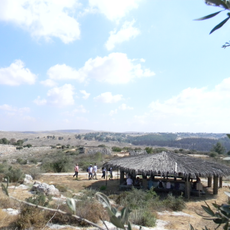
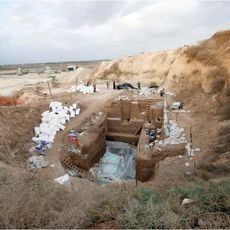
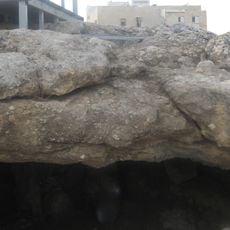
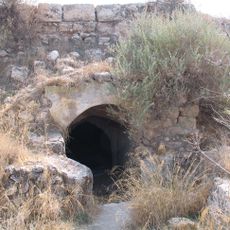
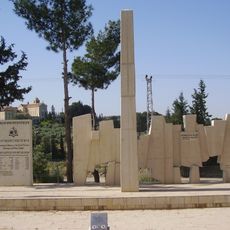
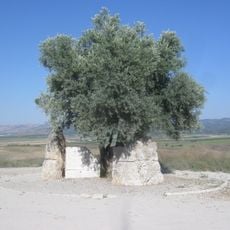
Um el Umdan is an archaeological site in Modi'in-Maccabim-Re'ut containing residential structures, burial grounds, and a synagogue from the 2nd century BCE. The remains reveal how people lived and organized their communities in this ancient region.
This site is connected to the ancient city of Modi'in, birthplace of the Maccabees, a family important to Jewish history. Archaeological work uncovered evidence of settlement and religious practice from this period.
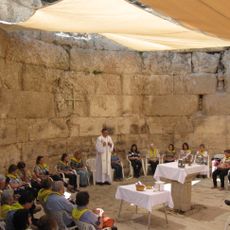
The Arabic name Um el Umdan, meaning "mother of columns", refers to the two rows of columns in the public building at the centre of the site. Excavators Alexander Onn and Shlomit Weksler-Bdolah identified this structure as a synagogue, with stone benches around its walls. The village also had a mikveh (ritual bath) and a winepress paved with white mosaic stones.
The site is located near the Buchman neighborhood and can be reached via Sderot HaChashmona'im street. Exploring the area helps you see the different sections of the archaeological remains, including residential and burial areas.
The name Um el Umdan likely comes from the two rows of columns in the central public building, whose stone bases still stand in place. Excavators Alexander Onn and Shlomit Weksler-Bdolah identified the structure as a synagogue, perhaps the oldest found in Israel.
The community of curious travelers
AroundUs brings together thousands of curated places, local tips, and hidden gems, enriched daily by 94,132 contributors worldwide.