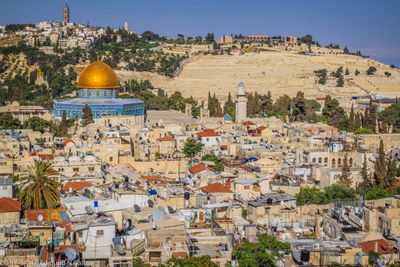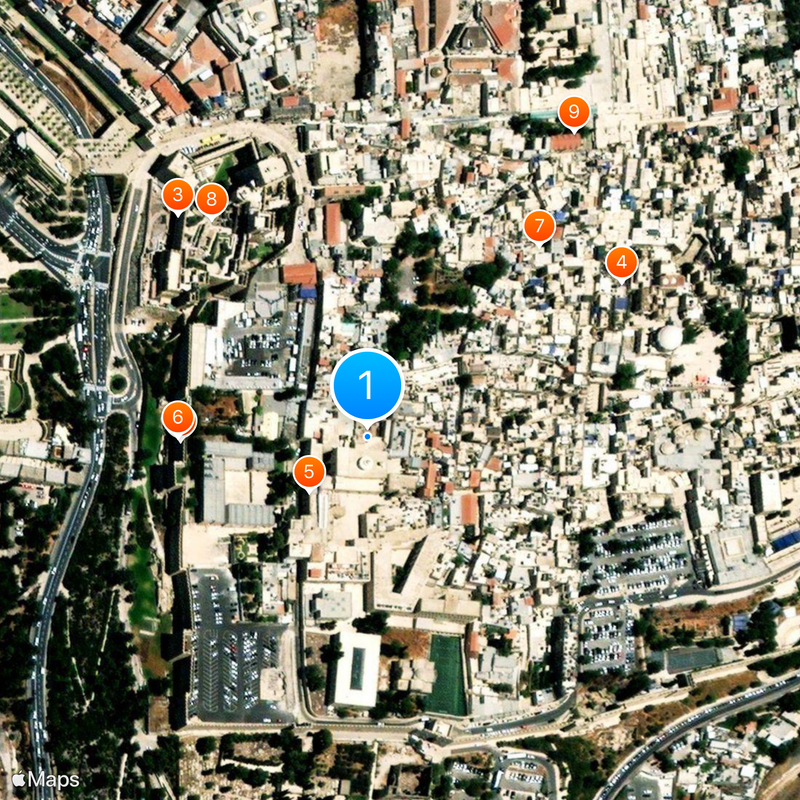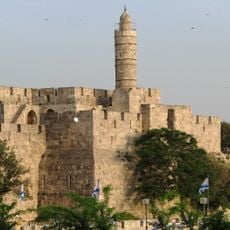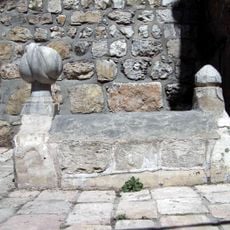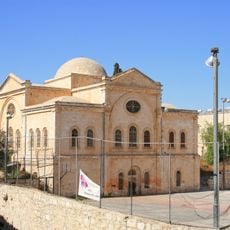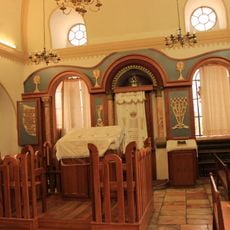
Armenian Quarter, Religious neighborhood in Old City, Jerusalem, Israel.
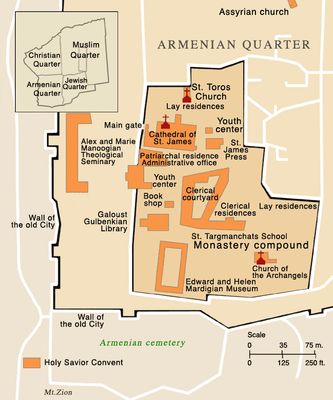
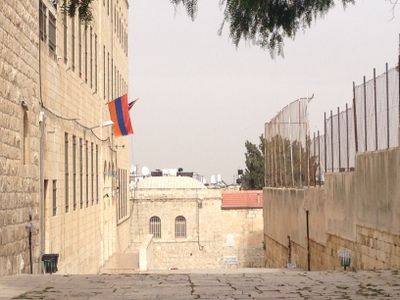
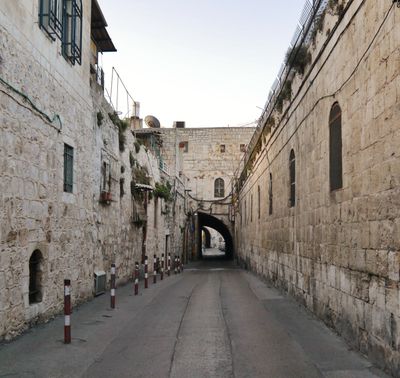
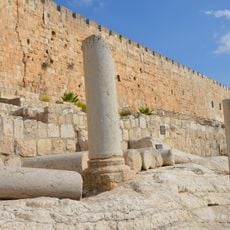
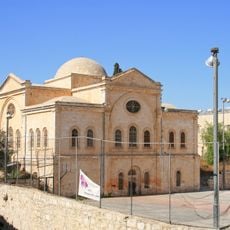
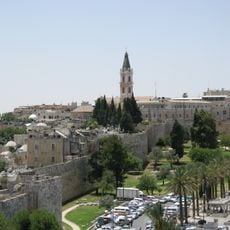
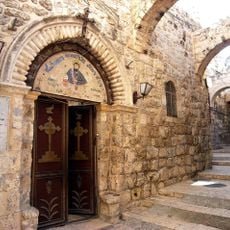
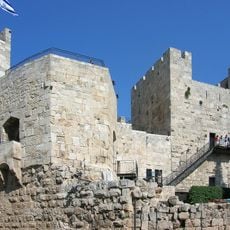
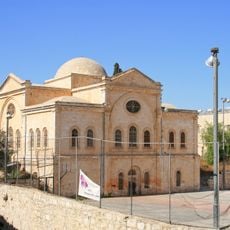
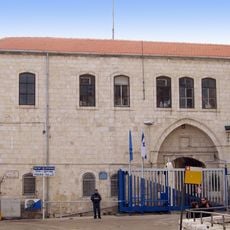
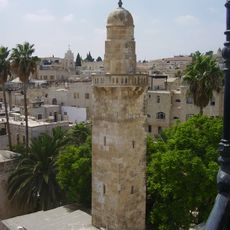
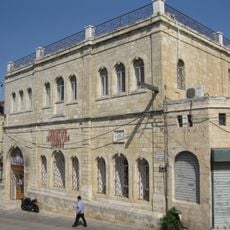
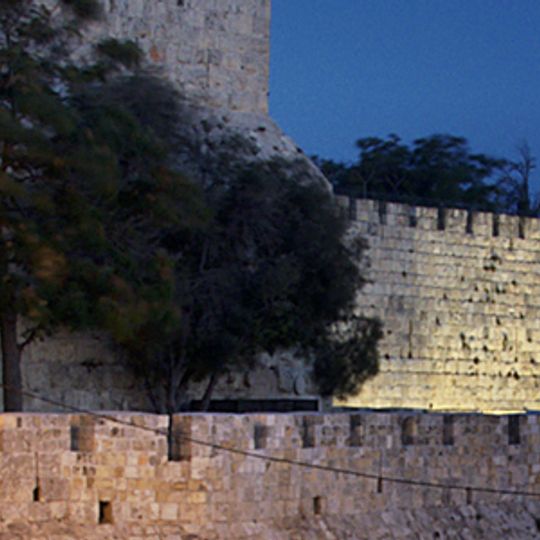
The Armenian Quarter occupies the southwestern section of the Old City and covers roughly one-sixth of the walled area, with narrow lanes and multi-story stone buildings. Most structures cluster around the Saint James Monastery, which forms a self-contained complex together with schools, residences, and workshops.
Monks from Armenia settled in this area during the 4th century, after their homeland became the first nation to adopt Christianity as its state religion. Over the centuries the settlement grew into an organized quarter, reinforced by pilgrims and refugees from different eras.
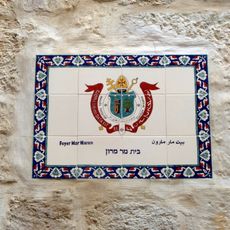
The community celebrates traditional festivals with processions through the cobbled lanes, where centuries-old chants echo in the courtyards and passageways. Local craftsmen still produce ceramic tiles following ancient patterns, visible in workshops and on the walls of many buildings.
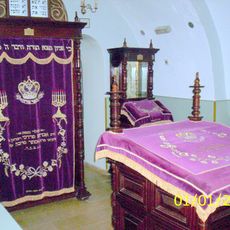
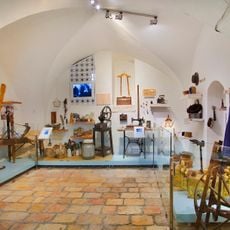
The quarter is best reached through Zion Gate to the south or Jaffa Gate to the west, both leading directly into the main pathways. The museum displays documents and liturgical vestments that give insights into the community, with most labels in English and Armenian.
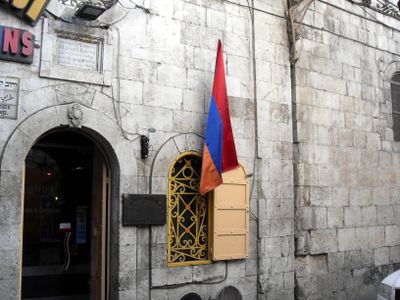
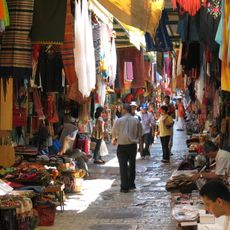
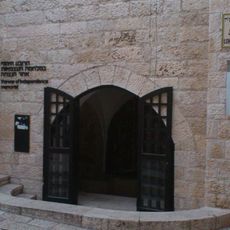
Street signs often carry Armenian script alongside Hebrew and Arabic, reflecting the multilingual identity of the area. In some courtyards hang intricately embroidered tapestries depicting biblical scenes, crafted by local textile artists.
The community of curious travelers
AroundUs brings together thousands of curated places, local tips, and hidden gems, enriched daily by 60,000 contributors worldwide.