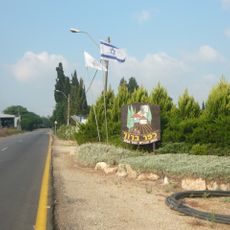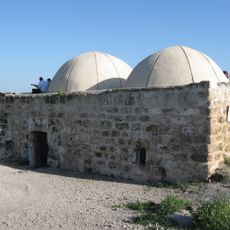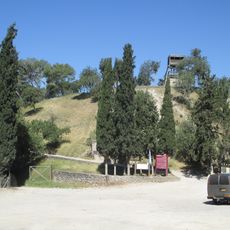
Nahalal, Agricultural heritage site in Jezreel Valley, Israel
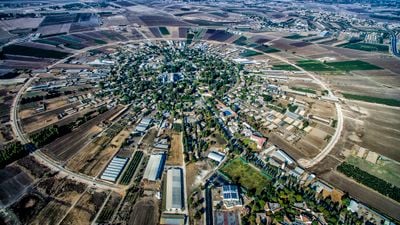
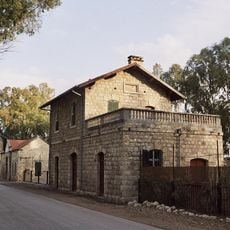
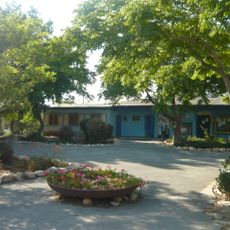
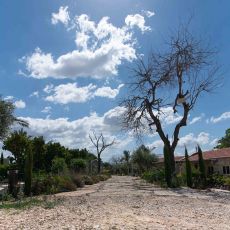
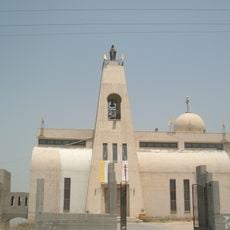
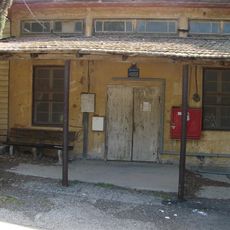
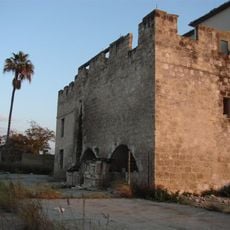
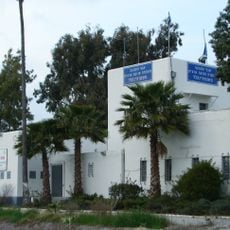
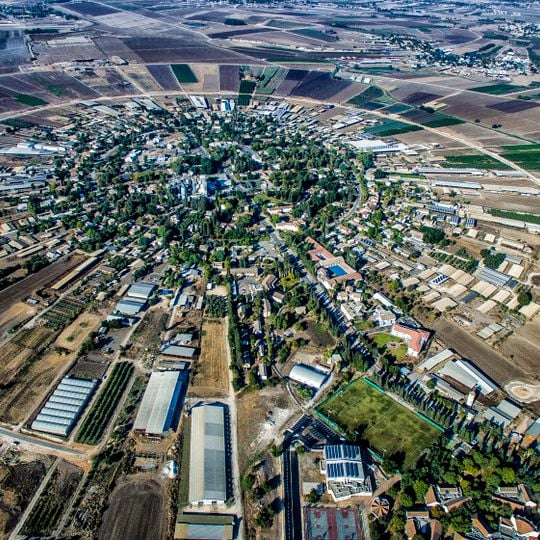
Nahalal is a cooperative farming village in northern Israel whose residential homes and farms are laid out according to a concentric plan. The central zone contains public buildings and community facilities, while the agricultural plots extend outward in rings and allocate a cultivated area to each household.
The settlement was founded in 1921 by pioneers from the Second Aliyah who tested a new model of agricultural cooperation without collective ownership. This model became the blueprint for many other moshavim established across Palestine and later Israel in the following decades.
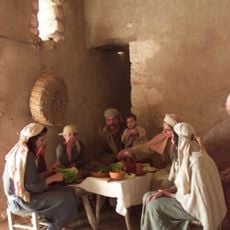
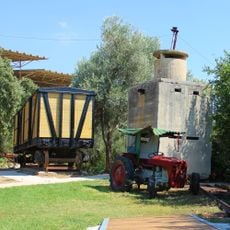
The Hebrew name comes from the biblical tribal territory of Zebulun and connects the village with the historical region of Galilee. Today, the agricultural identity is maintained through workshops and training programs that offer visitors insight into life on a cooperative farm.
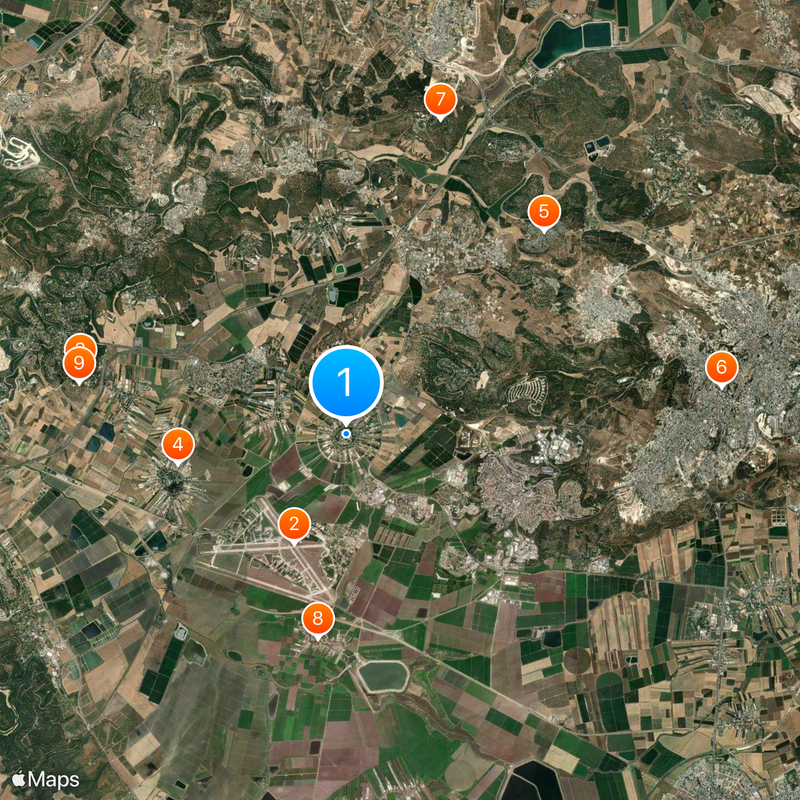
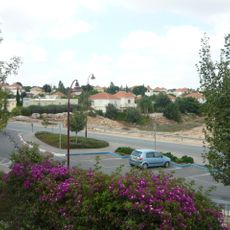
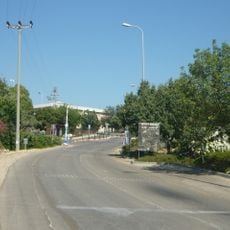
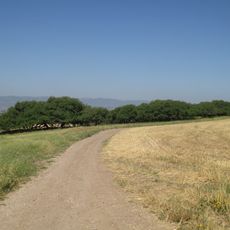
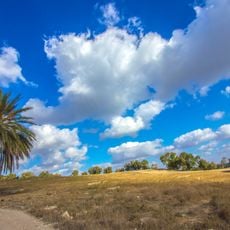
The village sits at the intersection of several rural roads in the Jezreel Valley that can be reached from Haifa and other northern Israeli cities. Visitors can move freely in the outer areas but should note that the plots are inhabited and actively farmed.
The circular layout was designed by German-Jewish architect Richard Kauffmann and reflects the desire to ensure equality among settler families through identical plots. Viewed from the air, the geometric form remains clearly visible today and shows the symmetry of the original plan.
The community of curious travelers
AroundUs brings together thousands of curated places, local tips, and hidden gems, enriched daily by 90,759 contributors worldwide.