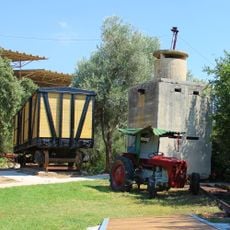
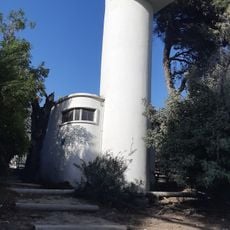
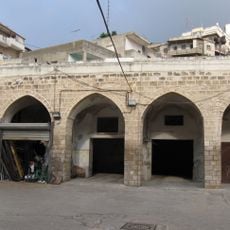
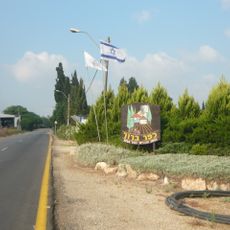
Shimron, Archaeological tell in Northern District, Israel
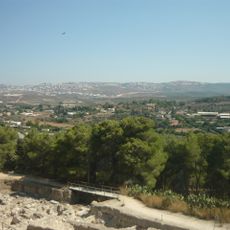
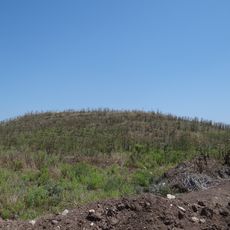
Shimron is an archaeological tell in northern Israel that rises above the Jezreel Valley, displaying multiple settlement layers built one atop another. The excavation site reveals remains from different civilizations spanning thousands of years.
Tel Shimron was founded in Early Bronze IB, around 3300–3000 BCE, on the eastern part of the tell. Settlement then lapsed: there was a gap in EB III and no occupation in EB IV. Around 1800 BCE, in the Middle Bronze II, it became a fortified city-state covering 19.5 hectares. In Late Antiquity the site was known as Simonias, and Flavius Josephus mentions it as a settlement on the border of Lower Galilee where Jewish fighters fortified themselves before facing the Roman army.
The Hebrew name Shimron appears in the Talmud Yerushalmi, which identifies the town of its own day, Simonias, with the biblical Shimron. The Talmud also names Levi bar Sisi as judge, cantor and scribe of the town, and records that only one kind of crop was sown in the Simonias valley.
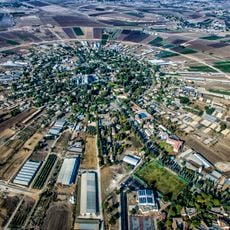
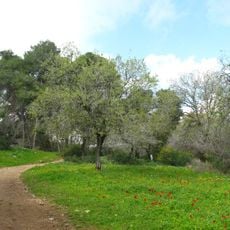
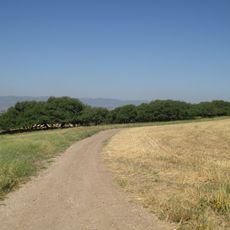
Visitors can reach the site through marked paths from the nearby moshav of Nahalal and enjoy views of the surrounding mountains. Some physical fitness helps as the ascent to the hilltop can be steep.
The mudbrick corbelled passageway on the acropolis was found beside Nahariya bowls, a type of vessel whose quality and forms differ from the pottery in the lower-city houses. The contrast between the two areas points to status differences at Middle Bronze Age Shimron.
The community of curious travelers
AroundUs brings together thousands of curated places, local tips, and hidden gems, enriched daily by 92,757 contributors worldwide.