Tel Bnei Brak, Archaeological site in Tel Aviv District, Israel.
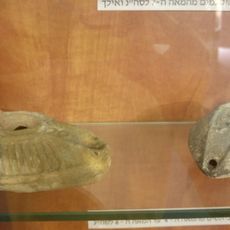
Tel Bnei Brak is an archaeological site in Tel Aviv District containing remains from multiple periods, including the Iron Age and the First and Second Temple eras. The layers of artifacts reveal how different civilizations settled and lived here over centuries.
This location corresponds to the biblical city of Beneberak, mentioned in the Book of Joshua as territory assigned to the Tribe of Dan. The ancient settlement reflects the early distribution of tribal lands in the region.
The name Bnei Brak appears on the prism of the Assyrian king Sennacherib, written in Akkadian cuneiform as Banayabarqa, not in Aramaic. The prism lists it among the cities of Tsidqa, king of Ashkelon, taken during the 701 BCE campaign in the Levant, alongside Beth-Dagon and Jaffa. The name also survives in the Passover Haggadah, which places the sages' seder at Bnei Brak.
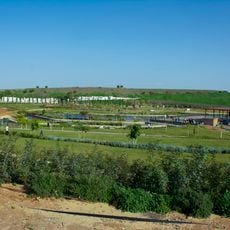
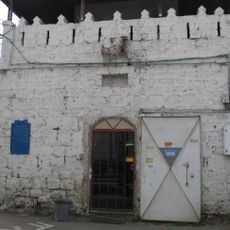
The site is a low mound in fields just southwest of the Mesubim interchange, north-east of al-Khayriyya, within Ariel Sharon Park. It has not been systematically excavated and remains neglected and little known to the public; no guided information is provided on site. The 2005 trial excavation was limited to two squares on the eastern edge of the mound.
The tell is topped by jujube trees and prickly pear shrubs, and the Arabic name al-Khiriyya means "good", given because the soil was considered excellent for farming. The village was first called Iban Abraq and renamed to distinguish itself from the Jewish town of Bnei Brak founded on its land in 1924.
The community of curious travelers
AroundUs brings together thousands of curated places, local tips, and hidden gems, enriched daily by 92,638 contributors worldwide.