Ramat Gan National Park, Urban national park in Ramat Gan, Israel.
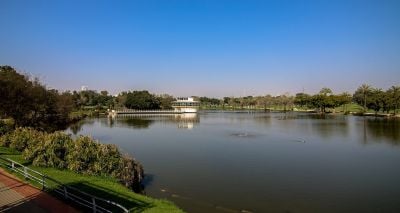
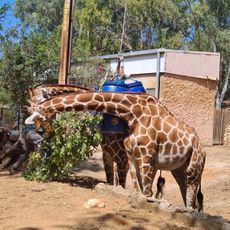
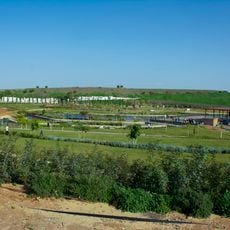
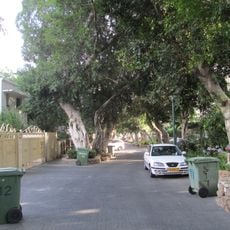
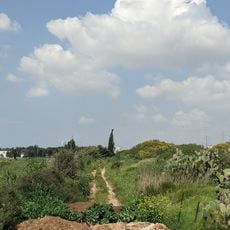
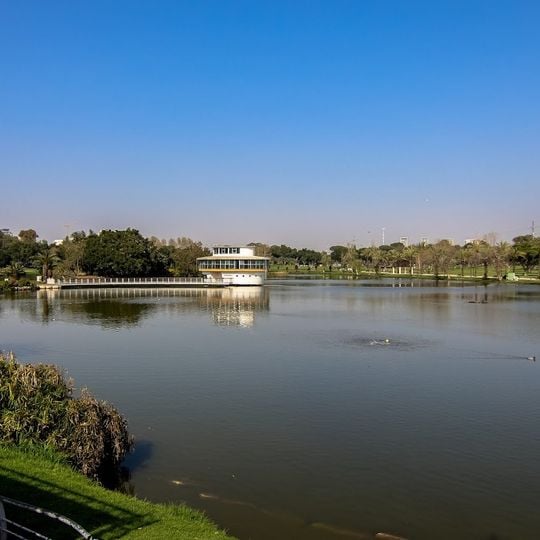
Ramat Gan National Park is an urban green space in Israel featuring open lawns, an artificial lake, and multiple playgrounds. Various walking trails connect throughout the grounds and link directly to the Ramat Gan Safari facility.
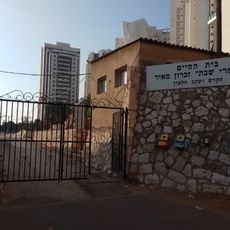
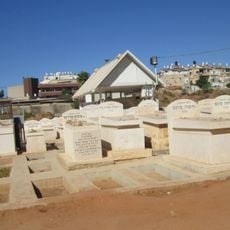
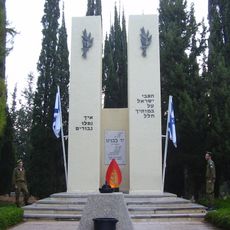
Mayor Avraham Krinitzi proposed the park in May 1950, and planting began on Tu BiShvat 1951 on 1,000 dunams expropriated from the Arab village of al-Khayriyya. The park opened to the public in 1953. Krinitzi, his son-in-law and his driver, killed with him in a car accident, are buried in the park.
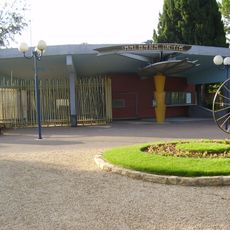
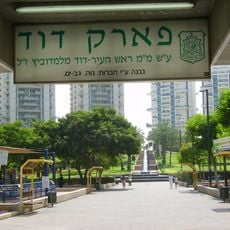
The park's name, HaPark HaLe'umi, means "the national park," though it is a municipal park. In the 1950s and 1960s, a tree was planted for every child born in Ramat Gan. The old rose garden was replaced in the 1990s by a French-style garden, and the building that hosted the biennial international rose exhibitions (1963–1974) now houses the Man and the Living World Museum.
The grounds are accessible twenty-four hours daily and offer free parking for all visitors. The direct pathway to the safari facility makes it easy to visit both locations.
The park is not an official national park despite its name. In the 1950s and 1960s it was Israel's only urban park, and a tree was planted there for every child born in Ramat Gan. Mayor Avraham Krinitzi, who proposed the park in May 1950, is buried in it with his son-in-law and driver, who died with him in a car accident.
The community of curious travelers
AroundUs brings together thousands of curated places, local tips, and hidden gems, enriched daily by 92,654 contributors worldwide.