Tel Ashdod, Archaeological site in Southern District, Israel.
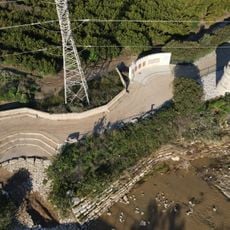
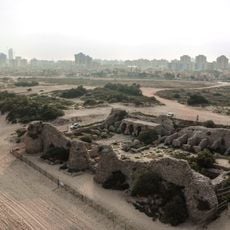
Tel Ashdod is an ancient settlement mound containing layers of occupation from multiple civilizations near the Mediterranean coast. Excavations expose sections of a palace structure with thick walls above older foundations, revealing how the site was built upon repeatedly.
Ashdod was a Philistine city from the 12th century BC, one of their five main cities, with a temple to Dagon. Around 712 BC its king Azuri stopped paying tribute to Assyria; Sargon II replaced him with his brother Ahimiti, then with Yamani, who also rebelled. Sargon captured Ashdod, Gath and Ashdod Yam, deported the population and installed an Assyrian governor.
Walls made of square mud bricks reveal how people built and organized their spaces across centuries. These construction methods were typical throughout the region.
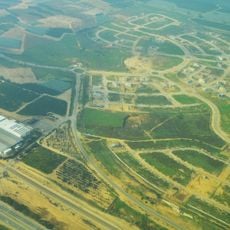
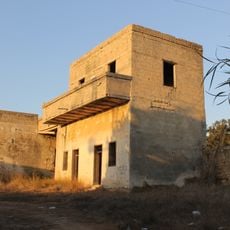
Tel Ashdod lies about 5 km from the Mediterranean shore and 4 km east of the Ashdod Yam site, beside the ruins of the Arab village of Isdud and the Ad Halom industrial zone, southeast of modern Ashdod. The mound covers 380 dunams, with an 80-dunam acropolis and a 300-dunam lower city, and rises about 50 m above sea level. The ground is uneven, so wear sturdy shoes and check current access conditions before setting out.
Excavations revealed three basins in partially exposed rooms that researchers interpret as either ancient bathrooms or burial chambers. Their exact purpose remains unclear, making them intriguing to study.
The community of curious travelers
AroundUs brings together thousands of curated places, local tips, and hidden gems, enriched daily by 93,982 contributors worldwide.