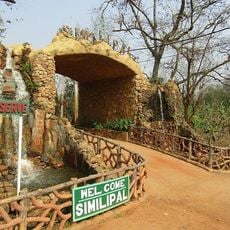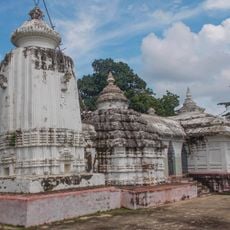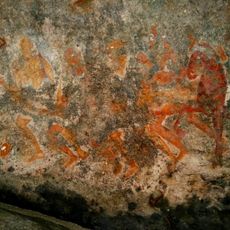
Simlipal National Park, National park in Mayurbhanj, India.
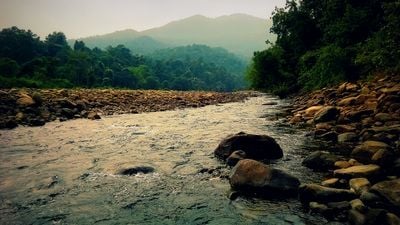
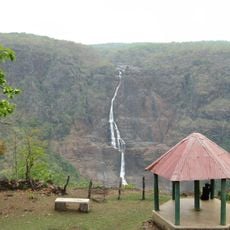
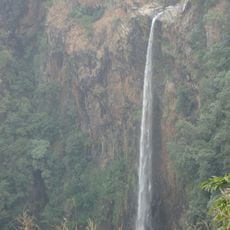
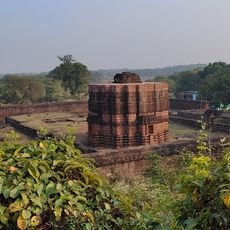
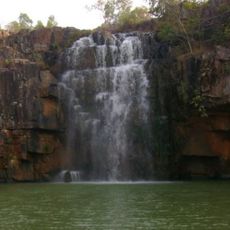
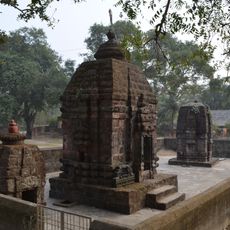
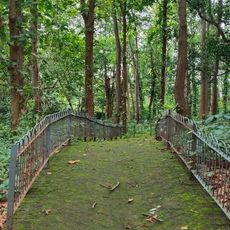
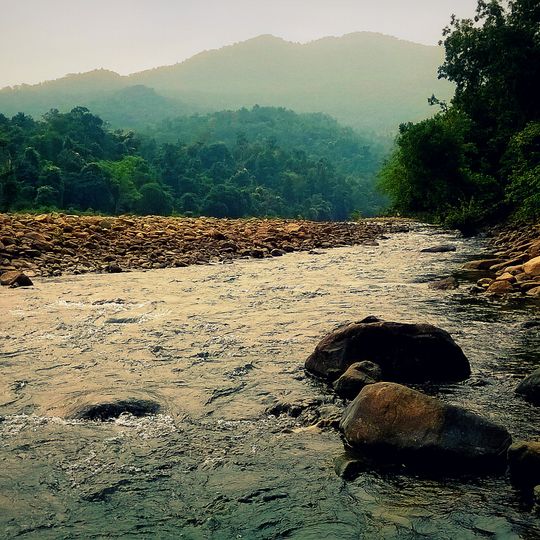
Simlipal sits in Mayurbhanj district and covers forested hills, river valleys, and clearings across much of the eastern highlands. The landscape shifts between dense greenery and open plains crossed by waterways.
The area served as royal hunting grounds for the Maharajas of Mayurbhanj until the 1940s. In the mid-20th century the government began setting aside the land for wildlife protection.
The name comes from the simul, the red silk cotton tree abundant here. Around 10,000 people live in 61 villages inside the forest, including Ho and Santhal settlements, and many collect medicinal and aromatic plants for income. In December 2013, 32 Khadia families from Upper Barhakamuda and Bahaghar were relocated outside the tiger reserve; Kabatghai and Bakua remain in the core.
Travelers should bring sturdy shoes and long clothing, as paths lead through thick undergrowth and over uneven ground. The best time to visit runs from November through June when the weather is milder.
Simlipal's tigers show a notably high rate of pseudo-melanism, a darkening of the coat caused by inbreeding rather than a separate subspecies. This makes the reserve a subject of genetic study and conservation efforts. The park has been part of the UNESCO World Network of Biosphere Reserves since 2009.
The community of curious travelers
AroundUs brings together thousands of curated places, local tips, and hidden gems, enriched daily by 93,036 contributors worldwide.