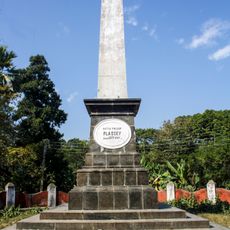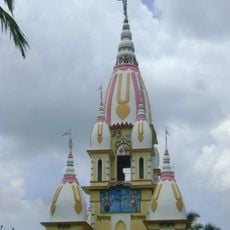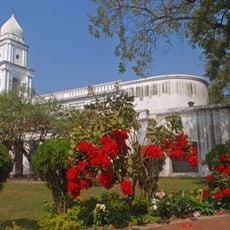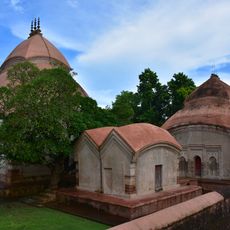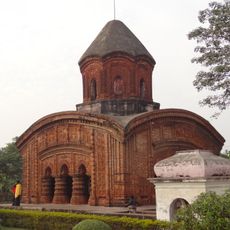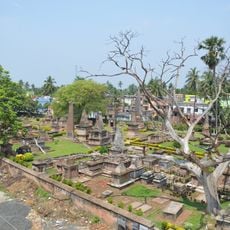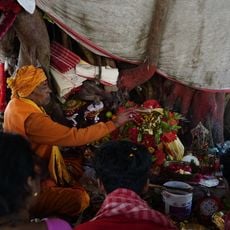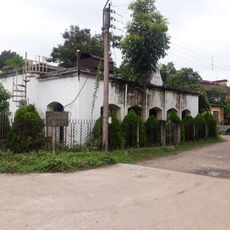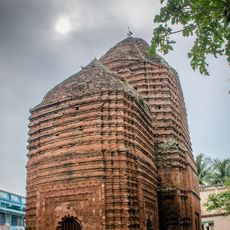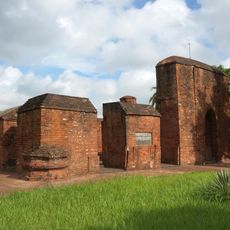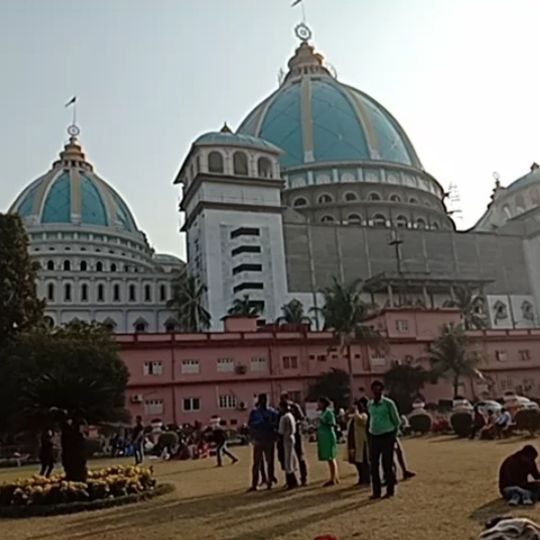
Nadia district, Administrative district in West Bengal, India
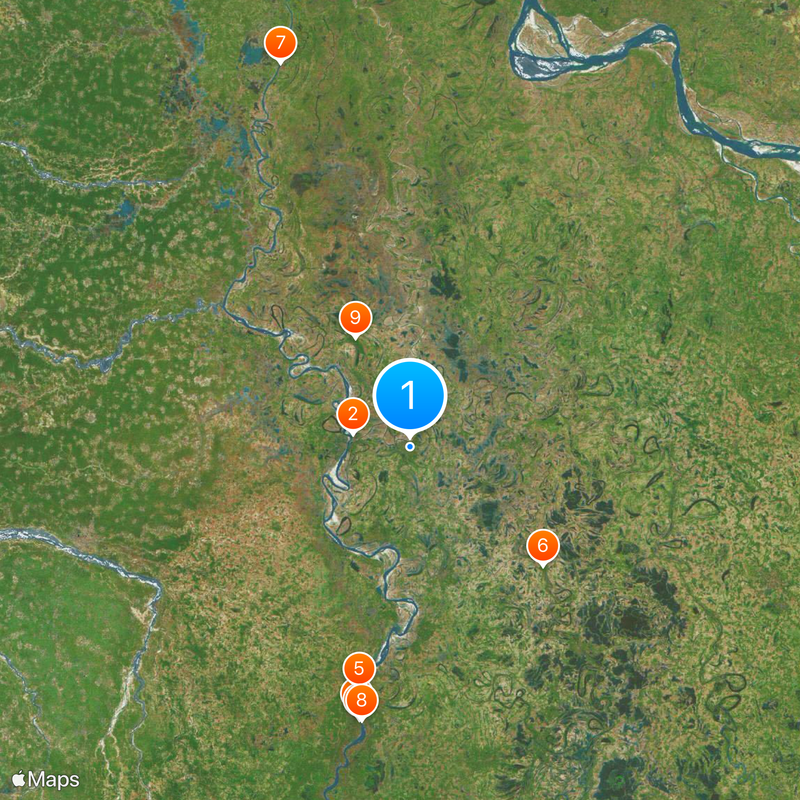
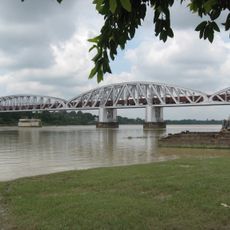
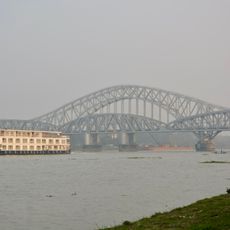
Nadia district spreads across flat alluvial plains formed by the Ganges Delta, divided into four administrative subdivisions with Krishnanagar serving as the headquarters. The landscape is crisscrossed by numerous river branches and canals that connect fertile fields and small settlements.
The area served as the capital of Bengal under the Sena Empire from 1159 until 1206. Bakhtiyar Khilji's conquest in 1202 marked the beginning of Muslim rule in the region.
The name Nadia comes from the word 'Nad', meaning river, reflecting how waterways shape daily life across the area. Local markets and ferry crossings still follow rhythms tied to the flow of the Ganges and its tributaries.
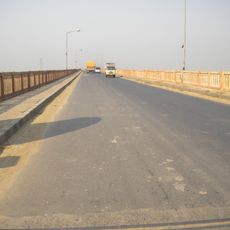
Railway connections link larger towns such as Nabadwip Dham, Krishnanagar City Junction, and Ranaghat Junction, making it easier to move around the area. The flat topography makes most places accessible, with roads often running alongside canals and river routes.
The Indigo revolt of 1859 began in Chaugacha village near Krishnanagar, driven by resistance against forced indigo cultivation by British planters. This uprising inspired plays and literature that addressed opposition to colonial exploitation.
The community of curious travelers
AroundUs brings together thousands of curated places, local tips, and hidden gems, enriched daily by 90,868 contributors worldwide.