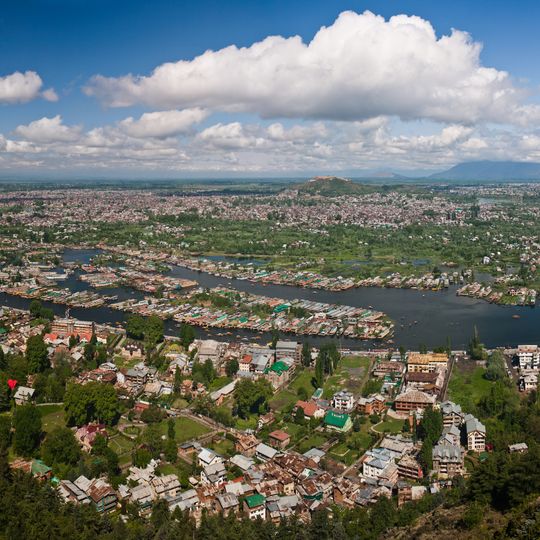
Srinagar, Summer capital in Kashmir Valley, India
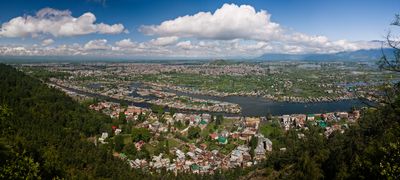
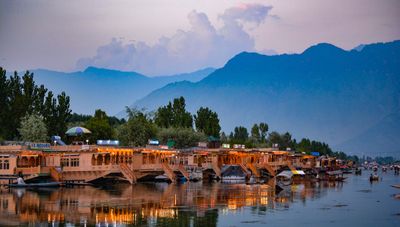
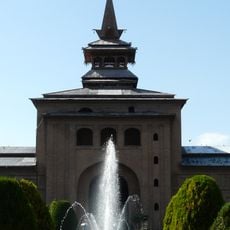
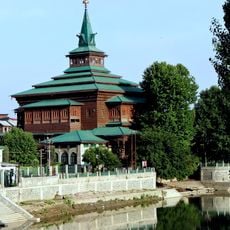
The city sits at 1585 meters (5200 feet) above sea level and stretches along the Jhelum River, including the waters of Dal Lake and Anchar Lake. Houseboats float near the shores, wooden bridges connect different neighborhoods, and narrow lanes wind through dense residential areas with multi-story buildings made of brick and timber.
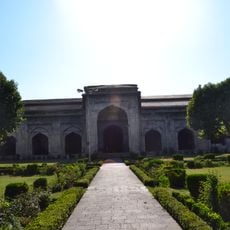
Founded in the 6th century under the Gonanda dynasty, the settlement grew into a spiritual center when the Shah Mir dynasty took control in the 14th century. The Mughals later shaped its architecture with gardens and mosques before Afghan and Sikh rulers controlled the region, until the British arrived in the 19th century.
Daily life follows a rhythm shaped by Islamic practices, with calls to prayer echoing across rooftops and markets adjusting their hours during Ramadan. Women often wear pheran, a long woolen cloak, while men gather in tea houses over kehwa, a traditional saffron tea brewed with spices.
Sheikh ul-Alam International Airport connects the settlement with major Indian cities through regular flights from Delhi and Mumbai. Visitors should check local news before traveling, as conditions can change quickly, and bring warm clothing, especially between November and March when temperatures often drop below freezing.
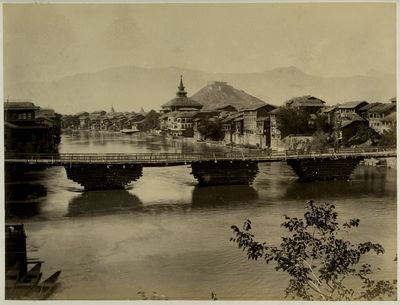
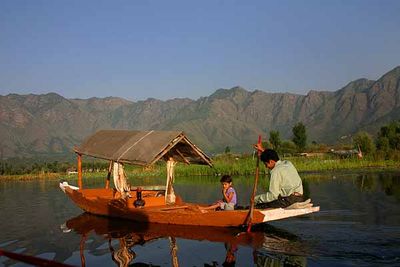
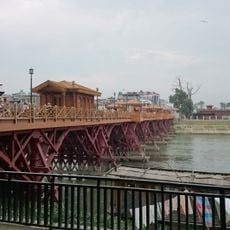
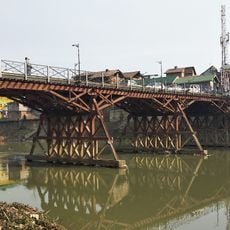
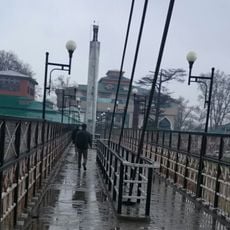
More than a dozen wooden bridges span the Jhelum River, connecting the banks without modern construction. Shikaras, traditional wooden boats, navigate canals and waterways throughout the settlement and serve as floating shops selling vegetables, flowers, and handmade goods directly on the water.
The community of curious travelers
AroundUs brings together thousands of curated places, local tips, and hidden gems, enriched daily by 91,332 contributors worldwide.