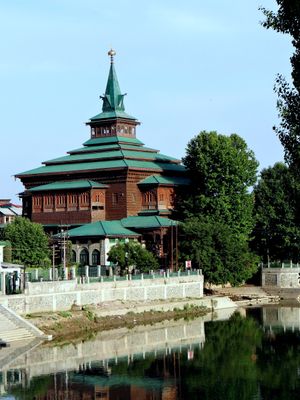
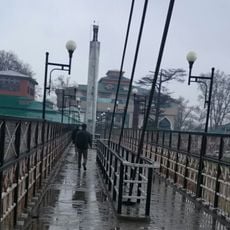
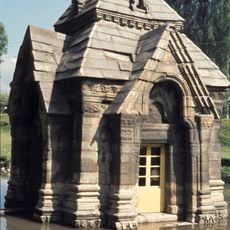
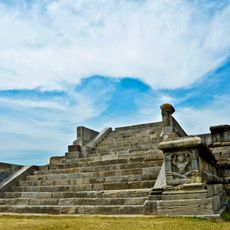
Khanqah-e-Moula, Islamic shrine at Jhelum River bank, Srinagar, India.
Khanqah-e-Moula is a wooden structure with a square layout, double-arcaded verandahs along its sides, and pyramidal roofs that rise toward a central spire. The building sits on the Jhelum River bank in Srinagar, displaying intricate carved wood details throughout its exterior and interior.
Sultan Sikander built the shrine in 1395 to honor Mir Syed Ali Hamdan, but fires damaged it twice, leading to reconstructions in 1493 and 1731. Each rebuilding shaped the form of the structure that stands there today.
The shrine reflects how Kashmiri craftsmen combined woodworking knowledge from different traditions into a single building. People today see in the carved details and the overall design how Buddhist, Hindu, and Islamic influences shaped the structure together.
Shoes must be removed before entering the shrine, and clothing should cover the shoulders, arms, and legs according to Islamic customs. It helps to wear slip-on shoes since you will need to remove them at the entrance.
The structure incorporates materials from ancient temples that once stood on the site, creating a layering of different building periods. Throughout the year, seasonal plants grow on sections of the roof, giving the building a changing appearance with the seasons.
The community of curious travelers
AroundUs brings together thousands of curated places, local tips, and hidden gems, enriched daily by 60,000 contributors worldwide.