Jamia Masjid, Central mosque in Nowhatta, Srinagar, India
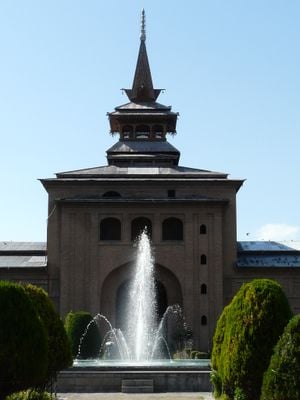
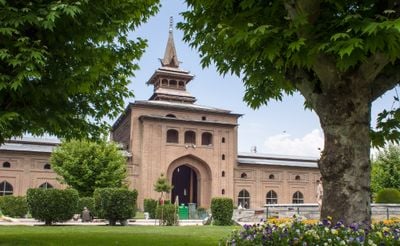
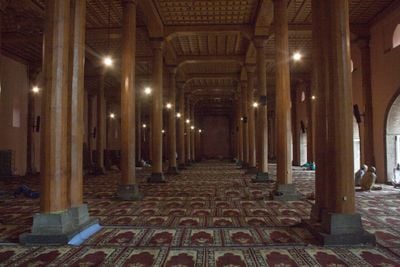
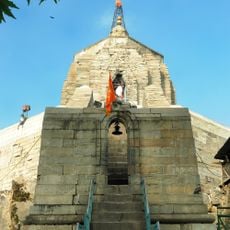
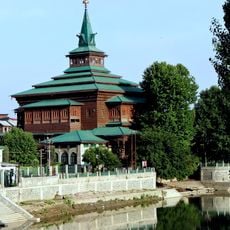
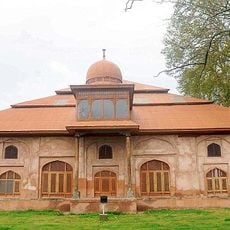
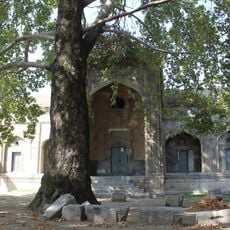
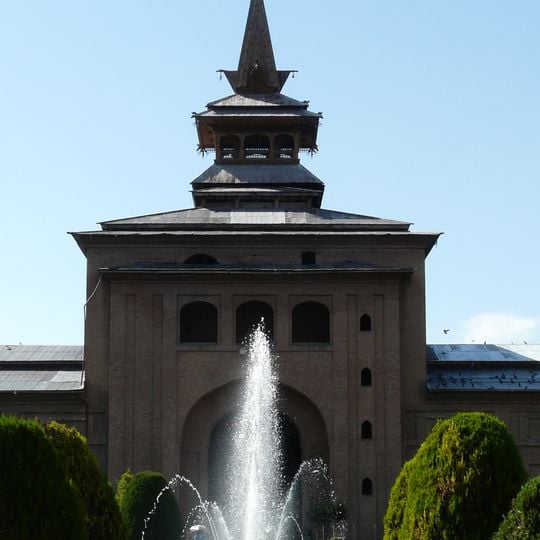
Jamia Masjid is a congregational mosque in Nowhatta, Srinagar, India, built around a square courtyard with a central water tank. Its walls of burnt brick are over 1.2 metres thick, with a lower portion of rectangular stone. The eastern Shah Gate has a pyramidal roof topped by a square open pavilion and spire, and 378 wooden columns support the roof.
Sultan Sikandar ordered the construction between 1394 and 1402, establishing a central gathering place for the Muslim community. After a fire in the 17th century, Emperor Aurangzeb commissioned the reconstruction in 1672, restoring the building to its original purpose.
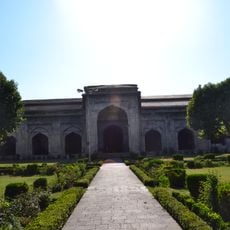
Locals call it Badshah-e-Masjid, and the Kashmiri name Bad Mashid simply means the big mosque. It is headed by the mirwaiz of Kashmir, and its courtyard has long served as a platform where people debate the politics of the Kashmir conflict. The southern entrance leads through a recessed portico into the Chaar Bagh courtyard.
The three entrance gates on the north, south and east sides help manage the flow of visitors during busy prayer times and distribute access across multiple points. The large courtyard and covered halls offer space to rest and observe daily routines even outside prayer hours.
The eastern Shah Gate is topped by a square open pavilion, the brangh, crowned with a spire. Each of the four turrets rests on eight deodar pillars about 15 metres high, while the mihrab has a similar turret above it. The roof was first covered with birch bark and clay.
The community of curious travelers
AroundUs brings together thousands of curated places, local tips, and hidden gems, enriched daily by 92,733 contributors worldwide.