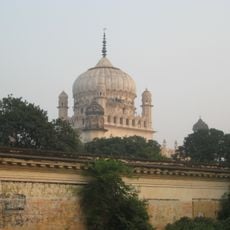
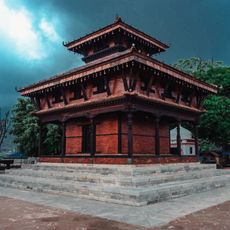
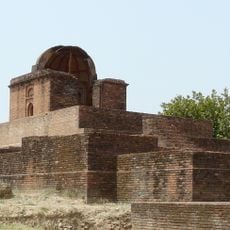
Jetavana, Buddhist monastery in Shravasti, India
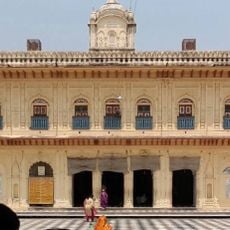
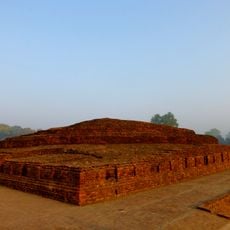
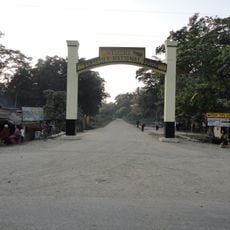
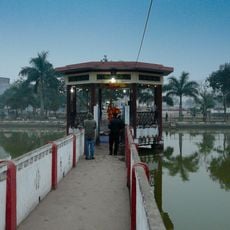
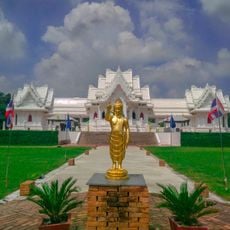
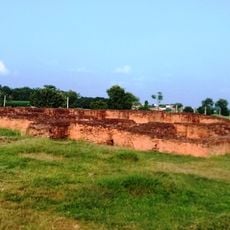
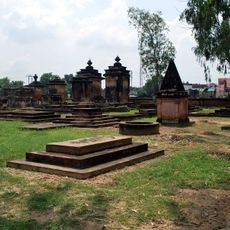
Jetavana, formally Jetavana-vihāra, lies about 500 m southwest of the southern wall of old Savatthi, in Shravasti district, Uttar Pradesh. The 1.65 km² park holds the brick remains of the Gandhakuti, the chamber where the Buddha is said to have stayed, several stupas, and the Anandabodhi tree, held second in sanctity among Buddhist Bodhi trees.
The grounds were established in the 6th century BCE after a wealthy merchant acquired the land for religious use. Over many years it remained a center of assembly and drew followers from different regions, until it was later abandoned and disappeared beneath the earth.
The full name, Jetavane Anāthapindikassa ārāma, records both donors: Prince Jeta, who gave the trees and a gateway, and the merchant Anāthapindika, called "feeder of the destitute", who bought the land. The Buddha suggested keeping both names so later generations would remember their generosity. The Japanese name Gion Shōja comes from this, and the guardian deity Gozu Tennō, honoured at Gion shrines and Kyoto's Gion Festival, is linked to the monastery.
The site is open daily from sunrise to sunset, and visitors should bring comfortable shoes as the grounds are expansive and uneven. Water and sun protection are important, especially during hot months when shade is limited.
The transfer of the property occurred through an unusual gesture in which the buyer covered the entire ground with gold coins to seal the sale. This story is mentioned in several ancient texts and remains a well-known example of devotion and generosity to this day.
The community of curious travelers
AroundUs brings together thousands of curated places, local tips, and hidden gems, enriched daily by 93,171 contributors worldwide.