Panbari Mosque, Islamic monument in Dhubri district, India
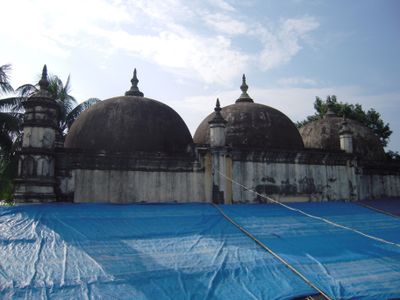
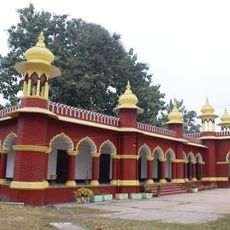
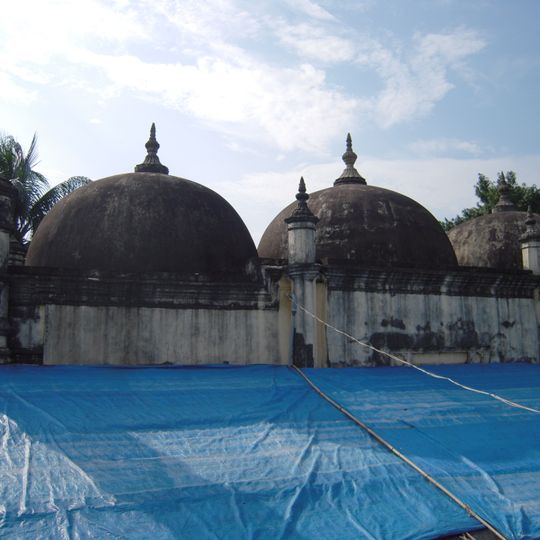
Panbari Mosque is a protected Islamic monument in Dhubri district, in the western part of the Indian state of Assam. It features three domes and decorative details that are characteristic of Bengal Sultanate architecture.
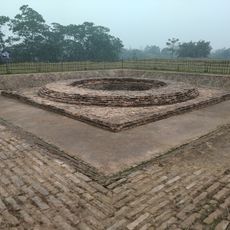
The mosque is believed to have been commissioned by Sultan of Bengal Alauddin Husain Shah to mark the 1498 conquest of Kamata, though the possible construction date spans 1493 to 1519. A less common theory credits Mir Jumla II, the Mughal governor of Bengal, during his 1662 invasion of Assam. The eidgah and deep well are thought to date from the same period, while the paved courtyard and minaret came later.
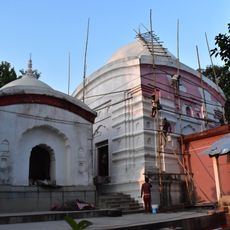
The mosque is still used for prayer today, and its setting draws visitors from across the region who come to see the Bengal Sultanate style up close. The three domes and the decorated entrance arches are the most noticeable features when approaching the building.
The site is accessible from National Highway 17 and can be reached by local buses running through Dhubri district. Visitors are expected to dress modestly and to be aware of prayer times before entering the interior.
The building was hidden under dense forest growth for centuries and was only rediscovered in 1928 by a villager collecting firewood nearby. That long period of neglect may have helped protect parts of the structure from deliberate alteration.
The community of curious travelers
AroundUs brings together thousands of curated places, local tips, and hidden gems, enriched daily by 92,663 contributors worldwide.